
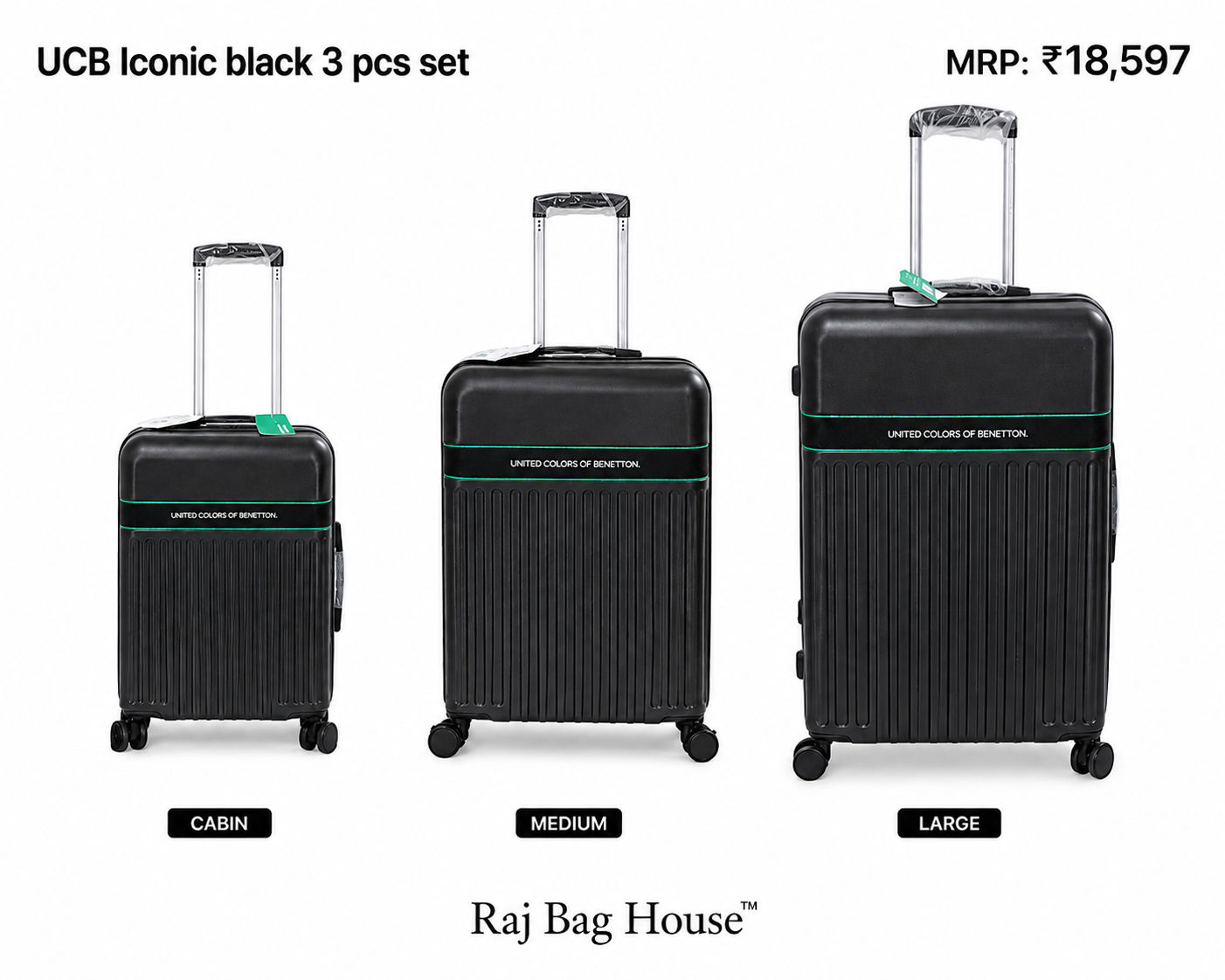
United Colors of Benetton Iconic 3-Piece Trolley Set – Black
United Colors of Benetton
₹12,088MRP ₹18,597
Swipe gallery · Tap image to zoom
Travel Club
₹13,886.25
MRP ₹39,675
Save ₹25,788.75 · 65% OFFFree delivery across India.
In stock
Available from current Raj Bag House stock.
Free
delivery across India
3 days
Return / exchange
Razorpay
Secure payment
At a glance
Brand
Travel Club
Type
Trolley Set
Color
Navy Blue
🚚
Free delivery across India
Free delivery · normally dispatched same day or next day · usually delivered within 4 days.
↩
3-day return / exchange request
3-day request window · unused + original tags · return courier is customer-paid and the actual forward shipping cost is deducted from eligible refunds.
🏬
Maninagar store
Real store support before and after purchase.
🔒
Secure payment
Secure online payment is processed through Razorpay.
Stock can change as store and online orders are placed. Checkout confirms the order at the time of payment.
Product Information
Travel Club Doubletrunk 3-Piece Trolley Luggage Set in Navy Blue, available from Raj Bag House. This coordinated set contains three separate suitcases in the same colour: one 20-inch model cabin suitcase, one 24-inch model medium suitcase and one 28-inch model large suitcase. The price shown for this listing is for the complete three-piece combination, not for a single suitcase. The total listed MRP is INR 39,675, and the set offer at 65 percent off is INR 13,886.25 for all three pieces together. Select the colour…
Travel Club Doubletrunk 3-Piece Trolley Luggage Set in Navy Blue, available from Raj Bag House. This coordinated set contains three separate suitcases in the same colour: one 20-inch model cabin suitcase, one 24-inch model medium suitcase and one 28-inch model large suitcase. The price shown for this listing is for the complete three-piece combination, not for a single suitcase. The total listed MRP is INR 39,675, and the set offer at 65 percent off is INR 13,886.25 for all three pieces together. Select the colour carefully before placing the order so that the cabin, medium and large cases belong to the same Doubletrunk colour family. The model size labels and the illustrated dimensions are different measurements and should be read separately. The cabin model is labelled 20 inches, with illustrated dimensions of 21 x 13 x 10 inches. The medium model is labelled 24 inches, with illustrated dimensions of 26 x 16 x 10 inches. The large model is labelled 28 inches, with illustrated dimensions of 30 x 18 x 11.5 inches. These are the measurements stated in the supplied product images; no empty weight or exact internal capacity is inferred from them. Compare the dimensions of each case with your own packing needs, storage space and transport allowance. The three-piece format provides a choice of sizes, rather than a promise that every size will suit every airline or journey. Use the cabin case for a smaller packing plan, choose the medium case when you want more room, or use the large case when your packing list and baggage allowance justify the additional size. These are practical ways to choose between the included cases, not fixed promises about a number of days of travel or a particular packing capacity. Family members can divide their belongings between the three cases, while an individual traveller can select the size needed for each trip. If all three cases are used together, plan the total packed weight and the number of bags permitted by the transport provider. Owning a set does not mean an airline includes all three pieces in one ticket allowance. The navy blue finish gives the three cases a coordinated appearance. The photographed front panels use the Doubletrunk badge, horizontal upper section, diagonal lines and vertically ribbed lower section. The gallery should be used to compare the exterior, opening layout and visible hardware, with attention to which size is shown. The first image shows the three sizes together in a clear front lineup. Subsequent images show the coordinated arrangement, side or rear views and the opening layout. Each gallery image is an existing supplied photograph of this colour family. The different arrangements explain the same three included pieces and do not change the contents of the offer. A matching luggage set can make a family packing plan easier to recognise, but identification tags are still useful because similar-looking cases may appear during a journey. Assign the cases before packing, agree where shared belongings will go and keep essential travel documents under appropriate personal supervision. Different members of a family may need different amounts of space; choose according to the actual belongings instead of dividing by age alone. Keep the final packed loads manageable for the people who will lift the cases. The practical guidance below applies to using and looking after the included suitcases and does not add unverified technical claims about the product. The Doubletrunk design combines a structured exterior with a front opening and a separate main opening, giving you two ways to approach packing and retrieving belongings. The front face has a clean horizontal upper section, a small Travel Club badge and diagonal lines meeting the vertical ribbed lower panel. The rear and side photographs, where supplied for the selected variant, explain the depth of the case and the position of the telescopic handle. Dark zipper tracks outline the openings, while the wheel assemblies sit at the lower corners. These are visible design details of the photographed product; the photographs do not establish an exact polymer formulation, tested impact resistance, empty weight or usable internal volume. Use the selected gallery to judge the actual colour and construction rather than assuming that every suitcase in the collection has identical fittings. The front opening is useful for a packing arrangement in which you prefer to reach selected belongings without first spreading out every section of the main case. Think of a light layer, a travel pouch or a group of accessories placed where you can recognise and retrieve them. These are examples of organisation, not a statement that any accessory is supplied with the suitcase. The main opening provides a broader view of the packing space where that opening is shown in the selected gallery. Choose which arrangement you use according to the way your belongings fit and the place where you need to open the case. Neither access method removes the need to close every zipper properly before lifting or rolling the luggage. The interior photographs show patterned blue lining with contrasting yellow organiser details. Depending on the selected photograph, you can see retaining straps, mesh sections and zippered organiser areas. The contrast makes the organisation layout easier to identify visually. A mesh panel lets you see the outlines of belongings without opening every area, while a separate zippered section can help group small articles. Retaining straps help hold a sensible packing arrangement together when used with appropriate tension. They should not be tightened so aggressively that they distort the lining or put stress on the attachments. Do not treat a mesh pocket as protective packaging for a fragile object or as a sealed container for liquids. A practical packing plan begins before anything goes into the suitcase. List the clothes, footwear, toiletries and accessories required for your actual itinerary, then lay them out where you can see the full selection. Remove duplicate items and think about whether you will have access to laundry during the journey. A few coordinated outfits can be easier to manage than many unrelated pieces, particularly when you change hotels or move through several transport connections. Keep the things you will need first at the destination together, so you do not have to disturb the entire case immediately after arriving. This approach makes the opening layout more useful because each section has a clear purpose. Pack heavier objects with attention to balance rather than placing them all on one side. A suitcase that looks evenly filled from above can still feel awkward if one corner contains most of the weight. Keep hard objects from pressing directly against the closure and use appropriate separate protection for anything delicate. Clothing can be folded or rolled according to its fabric and your preference. Packing cubes or soft organisers can help separate groups, but compare their dimensions with the available space and the opening before relying on them. These accessories are optional packing aids and are not included simply because they are mentioned in this description. Leave enough space for the case to close naturally. Footwear should be clean and dry before packing. Put shoes in a suitable cover or separate bag so the soles do not rub against clean clothing or the lining. Keep buckles, metal accessories and sharp edges away from delicate garments. Small items such as belts, charging leads, personal-care accessories and jewellery cases are easier to find when grouped by purpose. Avoid dropping loose objects into every remaining gap; doing so can make unpacking harder and can allow dense objects to move against the shell during handling. A tidy arrangement should remain manageable on the return journey, when clothing may be folded less carefully and you may have additional belongings. Toiletries need their own containment. Check screw caps, pump locks and bottle seals before placing them in a separate leak-resistant pouch appropriate to the contents. A structured suitcase does not make a poorly sealed bottle safe to pack. Keep liquids away from documents, electronics and clothing that would be difficult to clean. If you transfer a product to a smaller container, use a suitable container and label it so you can identify it later. Do not put an unlabelled liquid into the case merely to save room. Check the transport rules for your journey separately; a particular suitcase opening or pocket does not change the restrictions that apply to liquids. Important documents and belongings needed during the journey deserve a separate plan. Tickets, identification, payment essentials and medicines are often easier to manage in an appropriate personal bag under your supervision. This avoids opening a packed suitcase in a queue or on a crowded platform. Do not assume a visible front section is a certified protective laptop compartment. The images do not supply a measured device-fit specification or an electronic-device protection rating. Use a padded sleeve or appropriate dedicated case where needed, and confirm any exact fit before purchase. Do not pack valuables on the assumption that a zipper or combination lock makes luggage theft-proof. The telescopic handle provides a grip for moving the upright case on a suitable rolling surface. Extend it without twisting the tubes, check that it is positioned securely and retract it before placing the case in a vehicle or storage space. When lifting the loaded suitcase, use the dedicated carry handle and a load you can manage. Avoid lifting a packed case by its extended trolley handle. A telescopic assembly helps you steer and pull the case; it should not be treated as a substitute lifting grip. Keep loose straps, clothing and luggage tags clear of the moving tubes so they do not become caught while the handle retracts. The wheel assemblies support movement on suitable surfaces. Smooth terminal floors, carpet, uneven paving and gravel create different conditions, so adjust your handling to the route. Slow down at floor joints, narrow gaps and changes in level. If a kerb, staircase or rough patch can catch the wheels, stop and lift the case appropriately instead of dragging it across the obstacle. Wheel performance depends on the packed weight, the surface and the condition of the components. This listing does not promise a particular noise level, bearing specification or tested wheel lifespan. Keep control of the suitcase on slopes and in moving vehicles, and avoid leaving it where it can roll away unattended. Zippers work best when the two edges are aligned and the contents are clear of the track. Bring the case sections together first, check for trapped fabric and move the pulls gently around the closure. Do not use the zipper to force an overfilled case into shape. If a pull stops, look for clothing, a pouch edge or a strap in its path before applying more force. Redistribute the contents or remove an item if the case is under pressure. Check both the front opening and the main closure before lifting the suitcase. A neat exterior is useful only when all closures are properly secured for the way the bag will be handled. Visible lock fittings should be understood using the instructions supplied with the actual case. Where a combination lock is present, test the setting while the suitcase is open before relying on it for a journey. Keep a record of the combination in a secure place separate from the luggage. Align the zip pulls carefully and do not force them into a lock. The presence of a lock does not by itself establish TSA approval, a particular certification or resistance to forced entry. If a specific lock standard is important for your route, confirm it for the exact selected product. No security certification is inferred solely from the appearance of the hardware. Size selection should start with the exact variant and the dimensions stated in its image, where provided. Model names such as 20, 24 and 28 are size labels, while an illustrated overall height can be different. Do not silently substitute one for the other. External-style dimensions do not establish usable internal volume, because the shell, lining, wheel position, handle channels and organiser layout affect the space available. Compare the selected case with your storage requirements and request confirmation if a precise fit is essential. Measure the relevant vehicle boot, shelf or luggage space instead of assuming that a category name guarantees compatibility. For air travel, check the rules of the operating airline and the allowance attached to your ticket. A cabin-labelled variant is not a guarantee of acceptance on every route. Airlines may include wheels and handles in their measurement limits and may apply a separate weight allowance. The empty weight of this case is not established by the photographs, so use actual measurements and a weighing scale where required. For a medium or large option, do not assume a cabin allowance merely because the suitcase can be rolled easily. Transport rules and the selected ticket determine what is accepted; the catalog size name is only part of the decision. Think through the transfers around the main journey as well as the flight or train itself. You may need to move through an auto stand, taxi boot, platform crossing, hotel entrance and staircase. Each transfer can require lifting or turning the packed suitcase. Choose a load that you or your travelling companion can manage during those moments. If you expect assistance, consider how you will handle the case if that assistance is unavailable. Rolling convenience does not make a heavy suitcase light when it has to be lifted. A realistic packing weight is especially useful when the route includes several changes of vehicle or accommodation. Before departure, practise using the case with the belongings you actually intend to carry. Extend and retract the handle, move the suitcase over a short distance, turn it and lift it using the carry grip. Check that the contents do not shift dramatically and that the front panel opens without loose objects falling out. Familiarity at home makes it easier to recognise an issue before you are rushing through a station. Inspect the zippers, wheel movement and lock operation early enough to address a problem. Do not wait until the night before travel to discover that an important item does not fit the way you expected. At a hotel or other destination, open the case on a stable, clean surface with enough space for the sections to rest. Avoid balancing an open suitcase on a narrow edge where it could fall. If you are staying only briefly, keep packing groups intact and remove what you need without emptying the entire case. During a longer stay, move frequently used clothing into suitable room storage and return accessories to their pouches after use. Keep worn clothing separate from clean items. A consistent organisation method helps you check the room before departure and reduces the chance of leaving a small belonging in an organiser pocket. Family packing benefits from clear ownership of sections. If more than one person shares the case, use recognisable pouches or separate groups and agree where common items belong. Keep the items needed during travel accessible in an appropriate personal bag rather than burying them under the main wardrobe. Recheck the packed weight after adding shared toiletries or extra footwear, because several individually small additions can change the handling considerably. The front and main access arrangement can support this organisation, but it does not create unlimited capacity. Choose the case size around the actual packing list instead of promising yourself that every possible extra item will fit. After travel, empty each compartment and check the corners, lining folds and organiser areas for small belongings. Remove loose dust gently with a soft cloth or another method suitable for the actual surface. Follow any cleaning instructions supplied with the product before applying a cleaning agent. Avoid soaking the lining or using aggressive chemicals merely to make the case look newer. Test a permitted cleaning method on a small inconspicuous area if needed. Let the interior dry fully before closing the suitcase for storage. Damp clothing, trapped moisture and prolonged closed storage can lead to odour and make cleaning more difficult later. Check the wheel areas for hair, thread, tape and grit. Small obstructions are easier to notice and remove before the next trip. Inspect zipper tracks for loose fibres and make sure the carry grips and telescopic handle operate normally. Do not dismantle hardware or apply unapproved lubricants simply because a component feels stiff. If a wheel, handle, zipper or lock is damaged, obtain suitable service advice. Store the empty case in a clean, dry place away from excessive heat and prolonged direct sunlight. Retract the trolley handle, keep straps and pulls from being trapped underneath and avoid resting heavy objects on the shell. The gallery is a guide to the selected product, not a promise that the colour on every screen will be identical. Display brightness, screen settings and photographic lighting can affect the appearance of blue, green, grey and navy blue finishes. Match the size and colour names carefully when ordering from a collection with several similar variants. The gallery shows the same three-piece offer through different views; repeated views do not add further suitcases to the supplied set. Interior accessories, example contents and packing aids are included only when the actual offer explicitly says so. This listing supplies one cabin, one medium and one large suitcase in the named colour, making three suitcases in total. Before placing an order, review the selected variant, the image sequence and any stated measurements together. Ask for an exact technical specification if your decision depends on shell material, empty weight, litres of capacity, device compatibility or a particular certification. Those figures cannot be reliably established from the appearance alone. The product tag visible in some photographs includes warranty wording, but the applicable coverage, exclusions, purchase proof requirements and service arrangements should be confirmed from the supplied brand terms. This description does not replace those terms or promise that accidental damage is covered. Choose the case for the visible layout and confirmed specifications relevant to your travel needs.
Specifications
Customer Feedback
Reviews shown here are customer submissions approved by Raj Bag House.
Still deciding?
Tell us how you plan to use the bag. We can help you shortlist the right option from current stock instead of guessing.
Travel Club
₹13,886.25₹39,675
Explore more
Related in-stock options from Raj Bag House.
United Colors of Benetton Iconic 3-Piece Trolley Set – Black
United Colors of Benetton
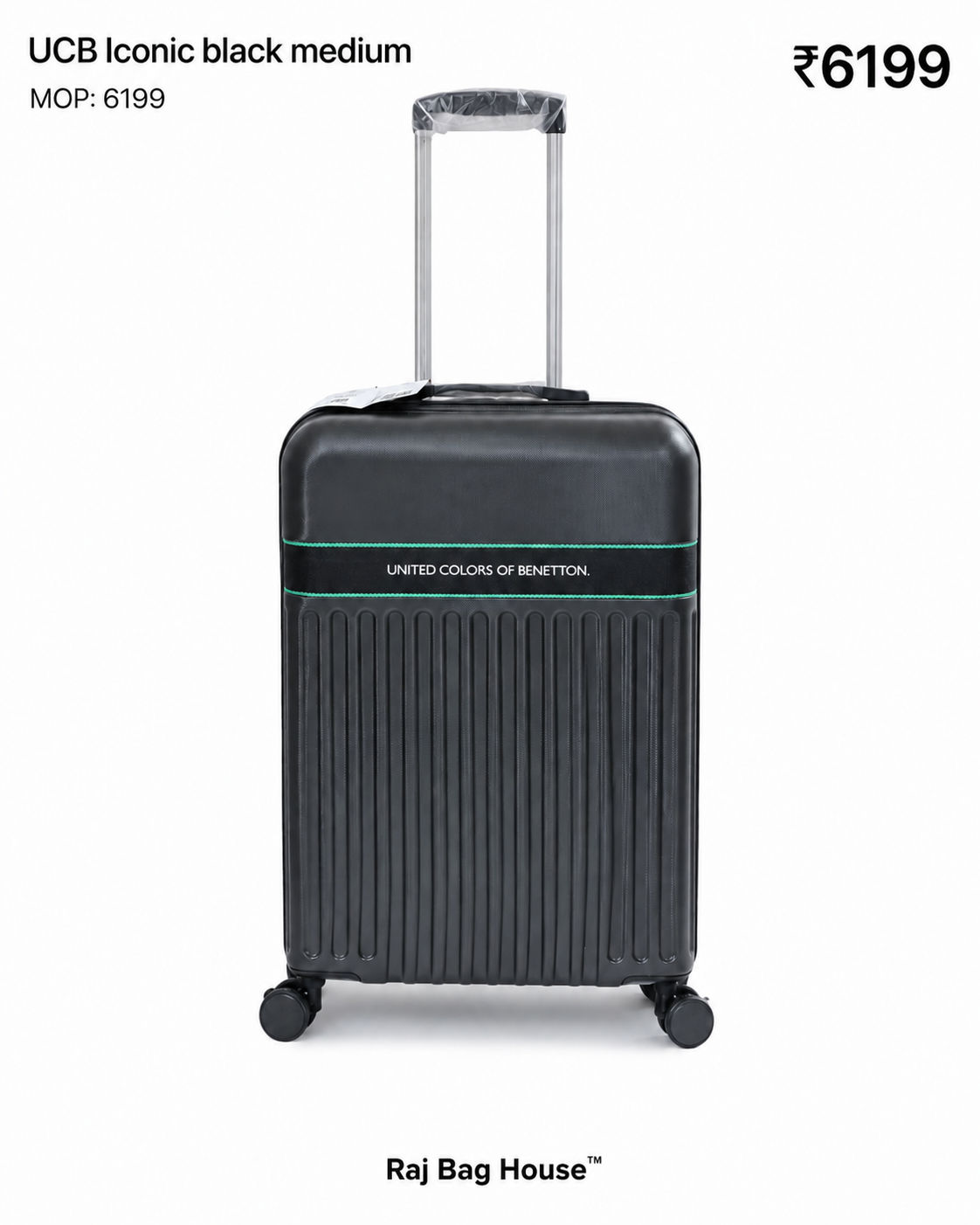
United Colors of Benetton Iconic Medium Trolley – Black
United Colors of Benetton
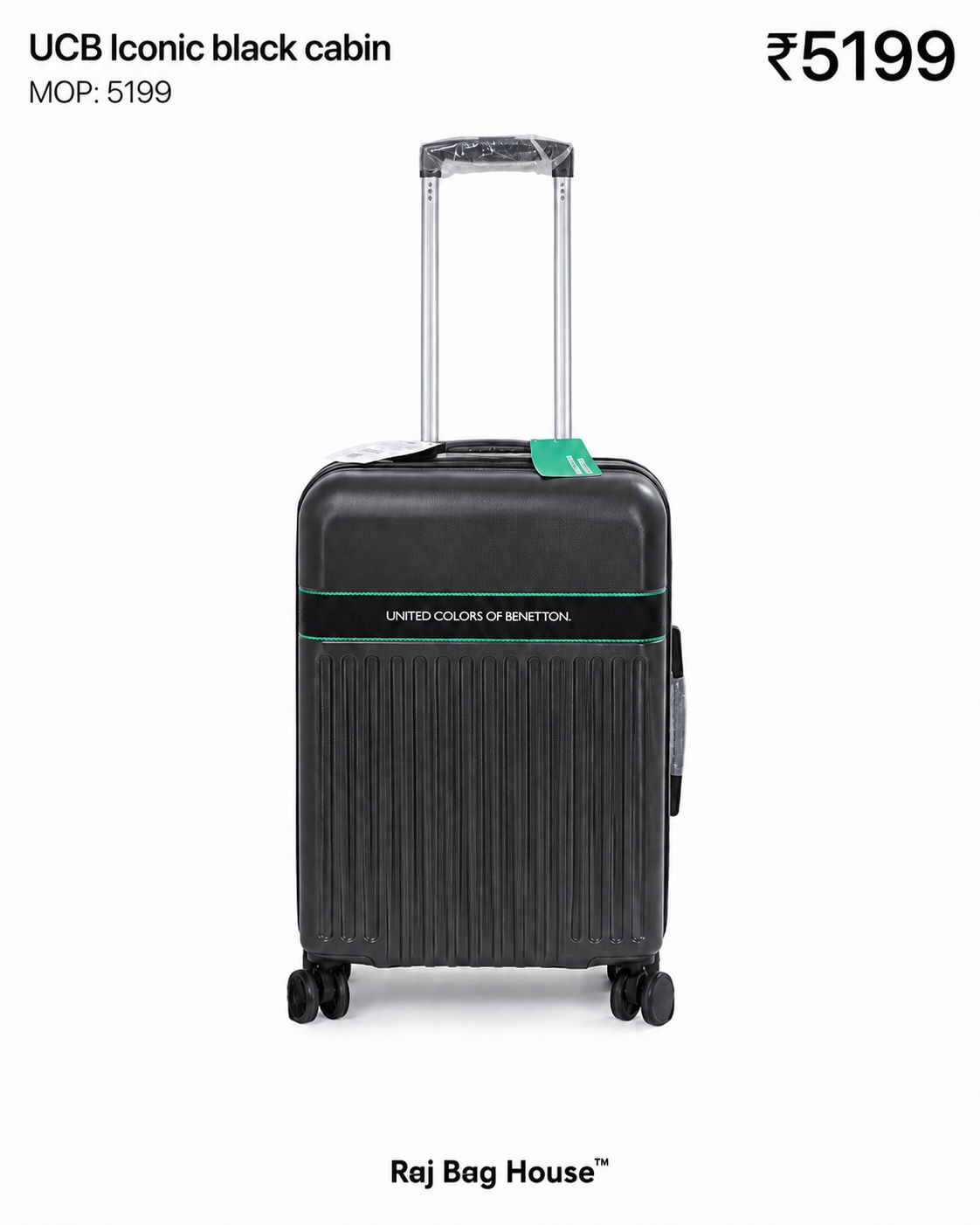
United Colors of Benetton Iconic Cabin Trolley – Black
United Colors of Benetton
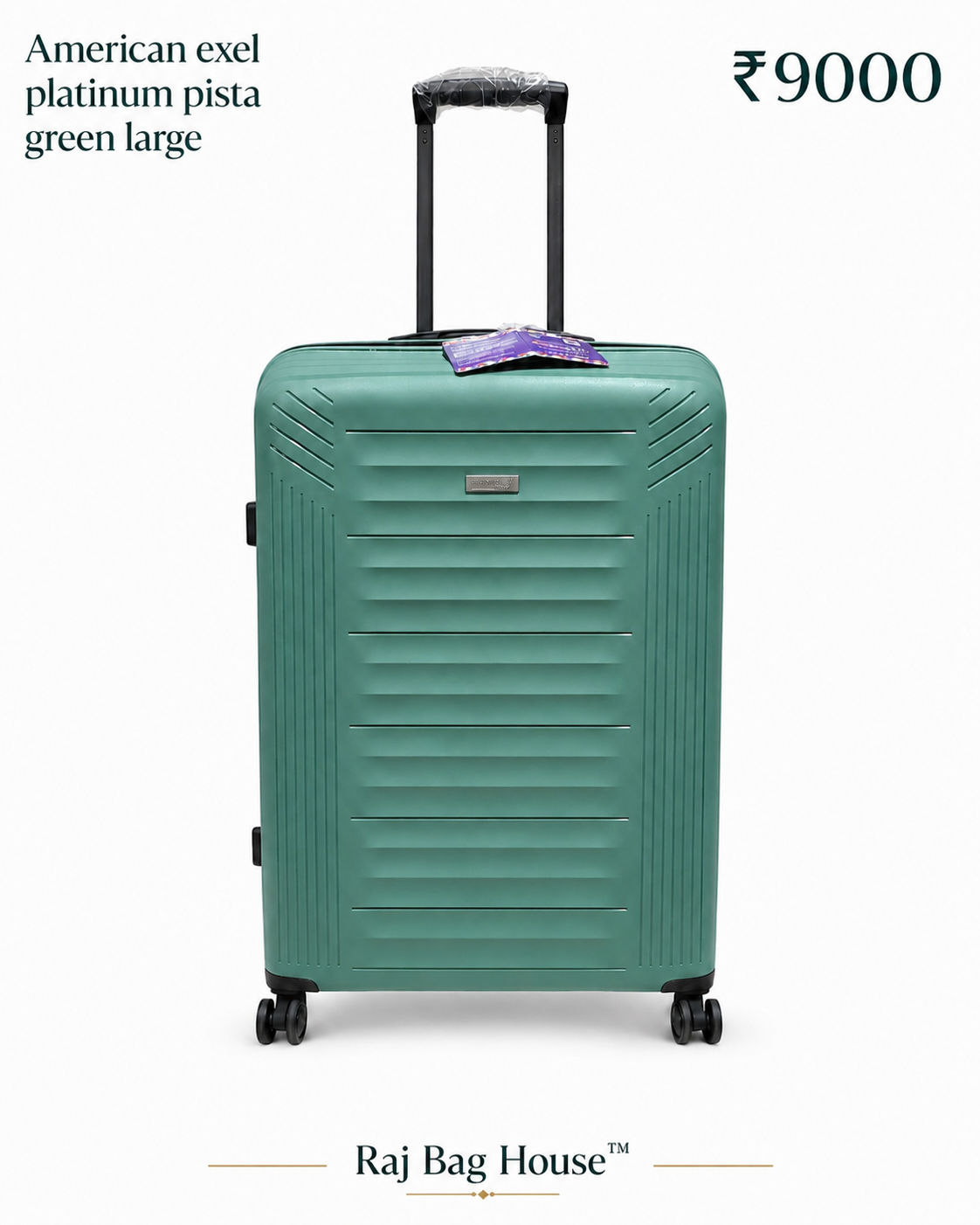
American Exel Platinum Large Trolley – Pista Green
American Exel
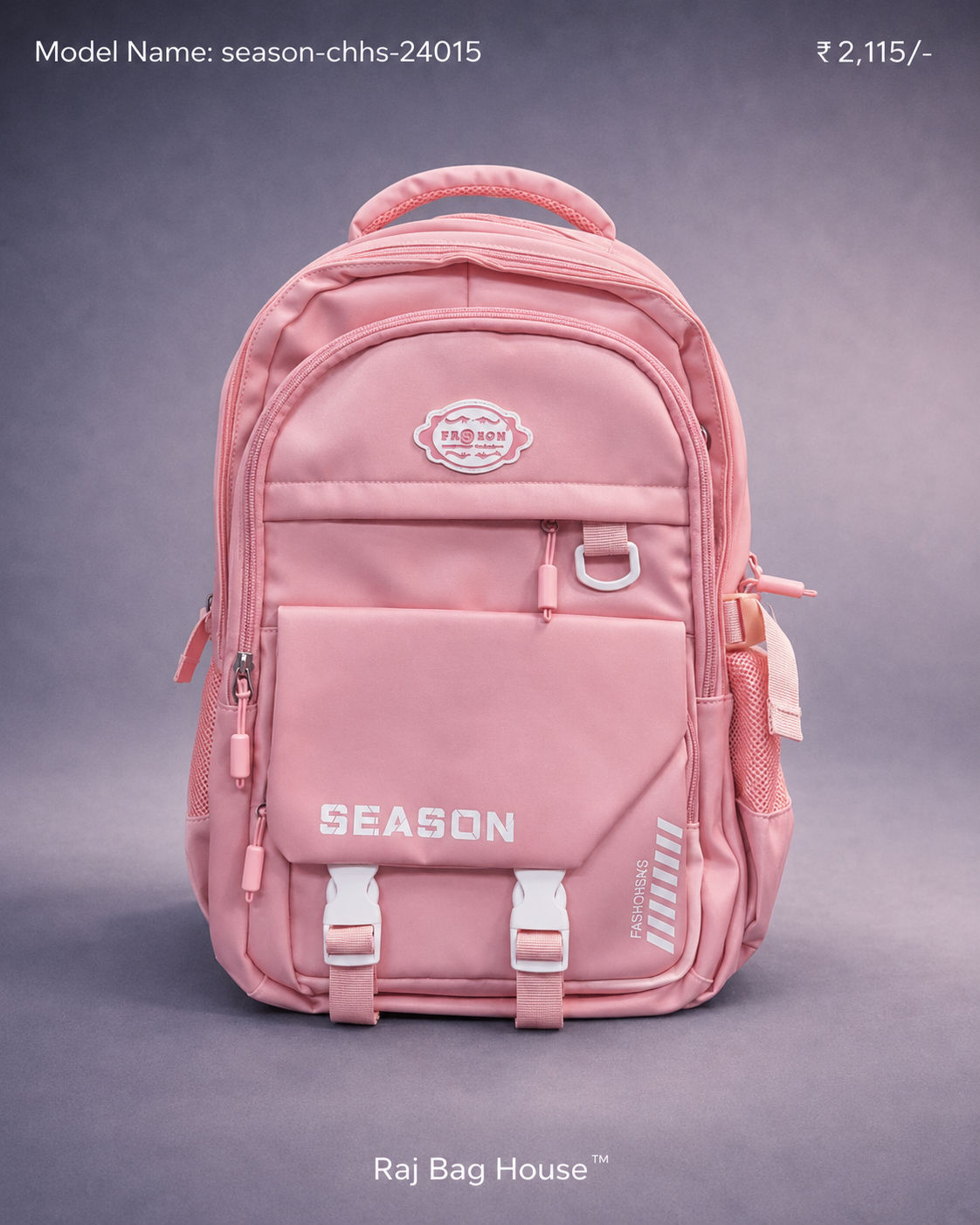
Season Backpack 24015 – Pink
Season
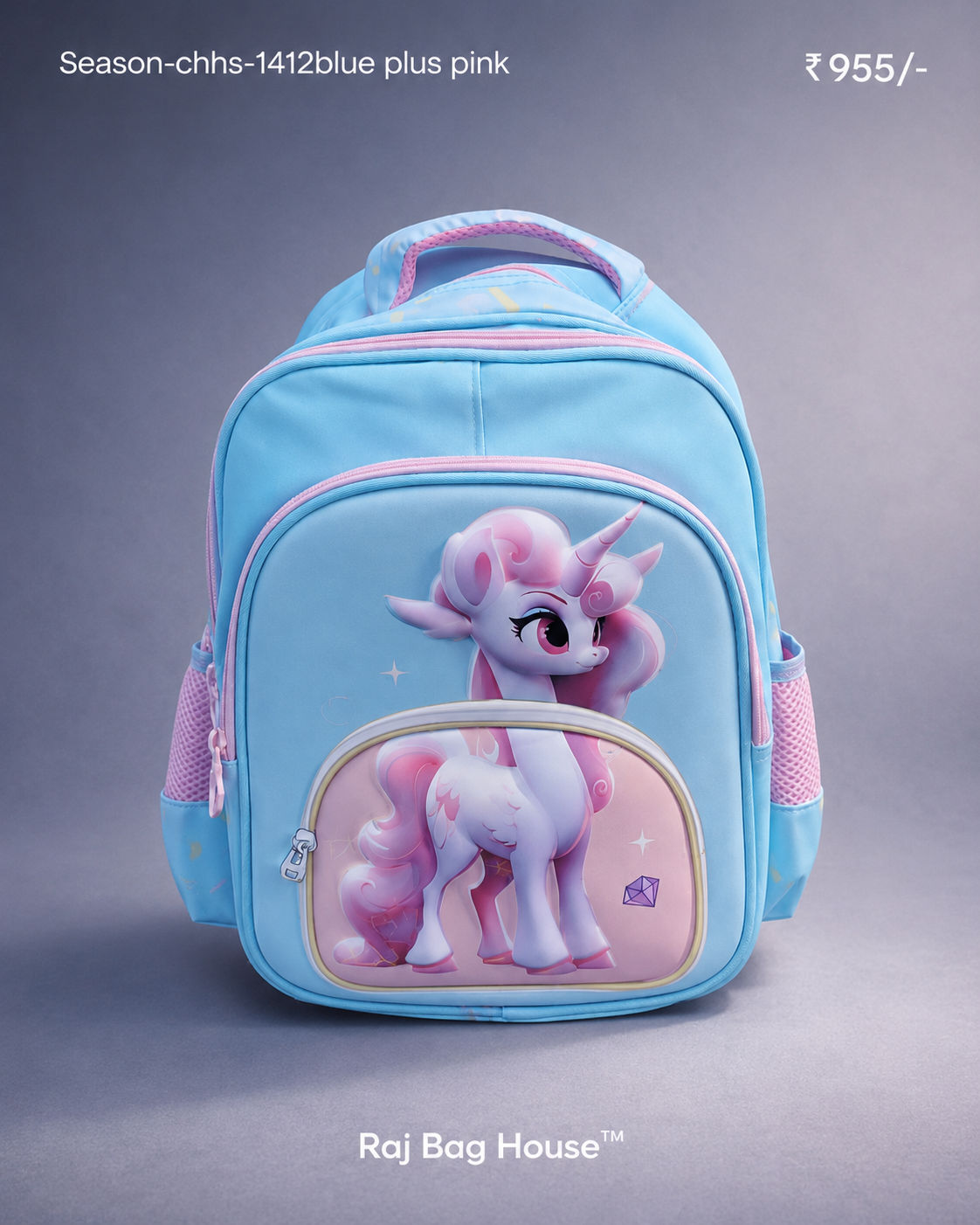
Season Unicorn School Backpack 1412 – Blue / Pink
Season
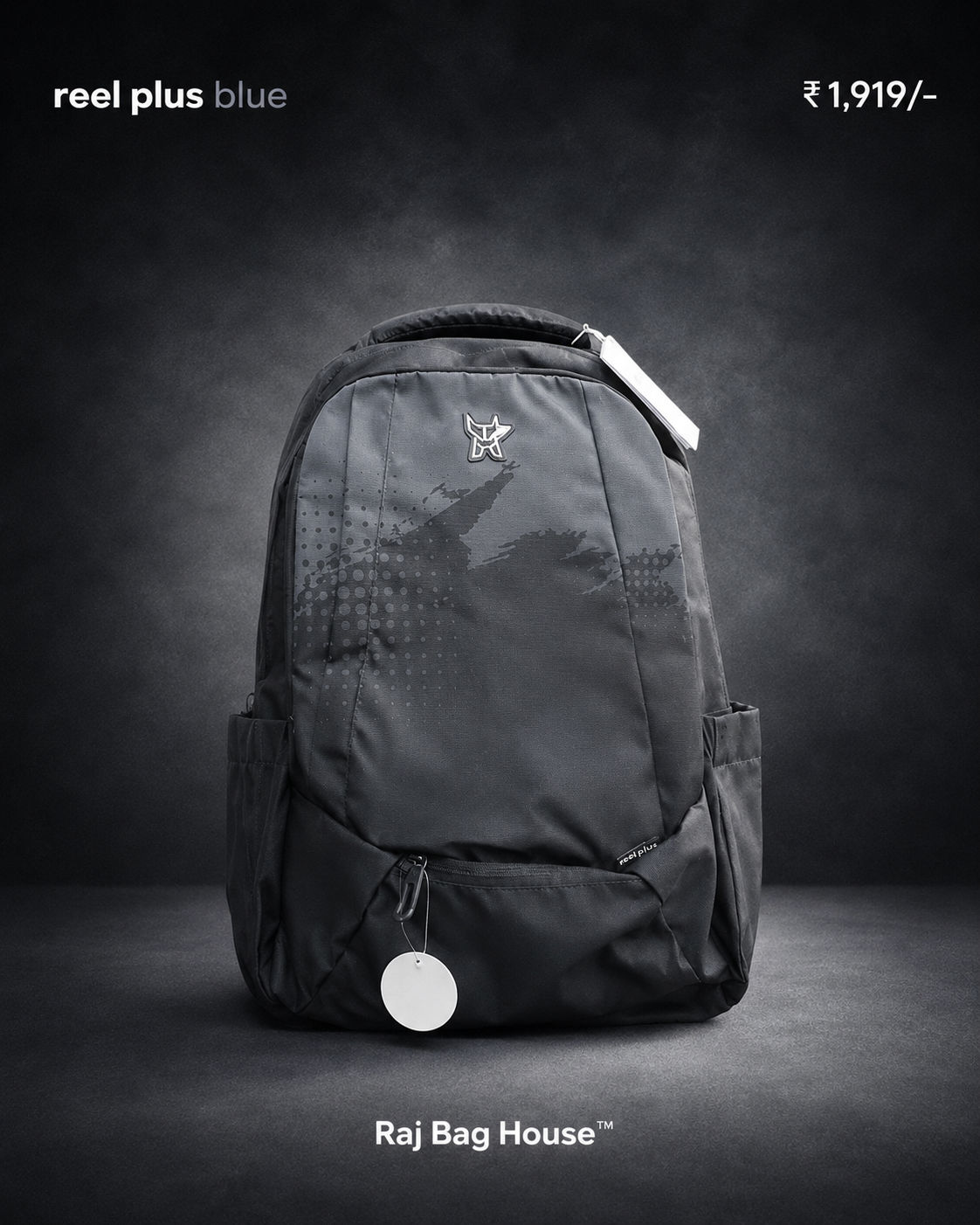
Arctic Fox Mellow Backpack – Black
Arctic Fox
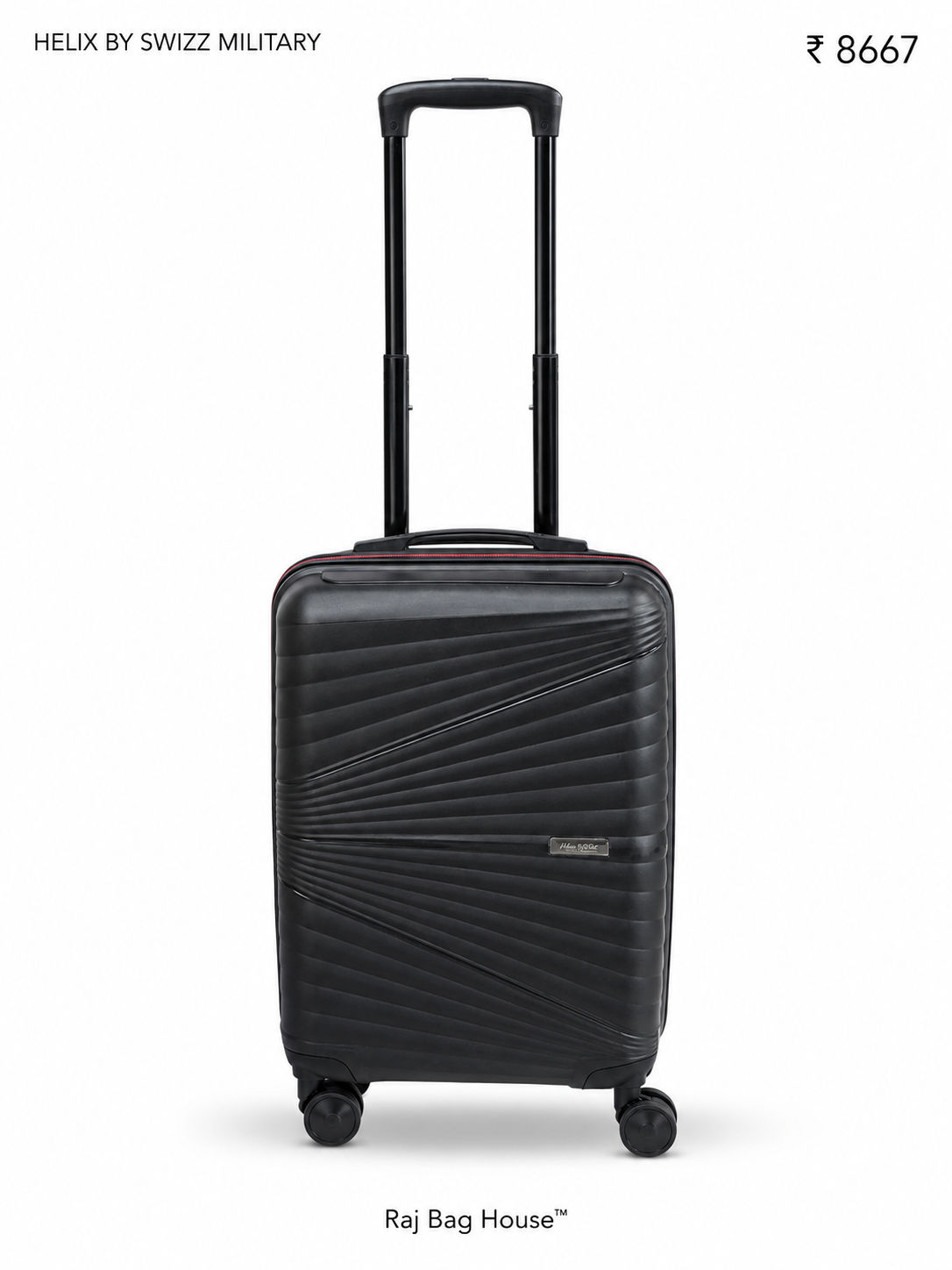
Helix by Swiss Military Cabin Trolley – Black
Helix by Swiss Military