
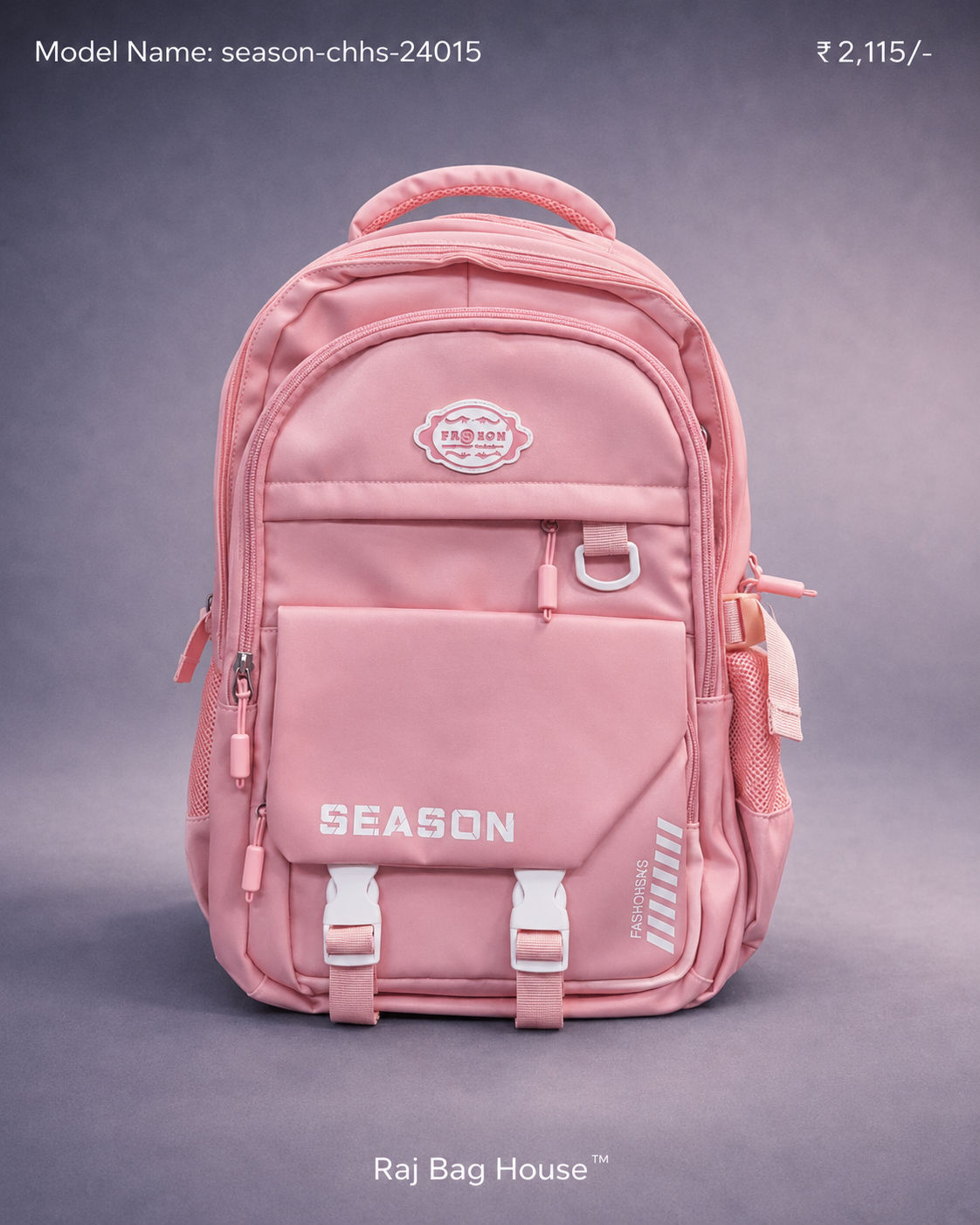
Season Backpack 24015 – Pink
Season
₹2,115
Swipe gallery · Tap image to zoom
₹1,745
Free delivery across India.
In stock
Available from current Raj Bag House stock.
Free
delivery across India
3 days
Return / exchange
Razorpay
Secure payment
At a glance
Brand
Season
Type
Backpack
Color
Grey
Size
Large
🚚
Free delivery across India
Free delivery · normally dispatched same day or next day · usually delivered within 4 days.
↩
3-day return / exchange request
3-day request window · unused + original tags · return courier is customer-paid and the actual forward shipping cost is deducted from eligible refunds.
🏬
Maninagar store
Real store support before and after purchase.
🔒
Secure payment
Secure online payment is processed through Razorpay.
Stock can change as store and online orders are placed. Checkout confirms the order at the time of payment.
Product Information
Season Backpack 3209 - Grey QUICK PRODUCT OVERVIEW Brand: Season. Model: 3209. Selected Colour: Grey. Product type: Backpack. The price printed on the source photographs is INR 1,745. The gallery shows the selected product in the supplied angles, beginning with a front or primary presentation view, followed by side or end and rear views where available, then relevant open views, accessory details or alternate presentations. Read the model-specific details first, then use the extended packing, selection and care…
Season Backpack 3209 - Grey QUICK PRODUCT OVERVIEW Brand: Season. Model: 3209. Selected Colour: Grey. Product type: Backpack. The price printed on the source photographs is INR 1,745. The gallery shows the selected product in the supplied angles, beginning with a front or primary presentation view, followed by side or end and rear views where available, then relevant open views, accessory details or alternate presentations. Read the model-specific details first, then use the extended packing, selection and care guide below for practical buying considerations. MODEL DETAILS AND VISIBLE DESIGN The front combines a rounded rectangular outline with a large curved lower pocket and several zip lines above it. Season branding is visible on the front, and the side view shows multiple zip tracks, a mesh pocket, a side badge and an adjustable buckle strap. The rear view shows broad shoulder straps, contrasting webbing and a central back panel. Viewing these three angles together is especially useful for understanding the depth and carrying layout that the straight front photograph cannot show. The separate visible access areas may help organise different groups of belongings, but the exact internal subdivisions should be checked directly whenever their number or dimensions matter to you. PRACTICAL BACKPACK USE For school, college, coaching, office commuting or an ordinary day out, begin by checking whether the model accommodates your own load without forcing the closures. Stand books and folders in a stable arrangement and keep the heaviest items close to the back-facing side of the load. Use both shoulder straps during ordinary backpack carrying, adjust them evenly and make sure the bag does not swing loosely far from the body. The padded-looking surfaces in the photographs show the design but do not establish a medical or ergonomic performance claim. Choose a sensible load that the individual user can manage, and reassess it whenever the timetable or travel routine changes. ACCESS AND EVERYDAY ORGANISATION Use the visible front sections for objects that fit naturally, and keep items that could scratch or leak inside their own protection. An external side pocket, where shown, should hold only a compatible object that remains secure during movement. Check the actual fit of a bottle before setting out. The main compartment can be organised with separate pouches so stationery, cables and personal items do not collect at the base. A small removable organiser can also simplify the transfer of essentials to another bag. Close all pockets before lifting the backpack and check that loose webbing is clear of chair legs or vehicle doors. These are packing suggestions rather than a claim about unseen internal compartments. STYLE AND DAILY SETTING The selected colour and photographed panel layout make it possible to judge how the bag will look with your regular clothing. A darker colour may create a more restrained appearance, while contrast trim can make a familiar shape look sportier. That is a visual preference rather than a technical advantage. Compare the complete front view with the rear strap colours and side details before selecting. If the backpack is intended for a younger user, assess its physical size and realistic packed weight against that user's needs. A class name, an age group or a photograph is not sufficient to establish a comfortable fit for every child or adult. DETAILED SELECTION, PACKING AND CARE GUIDE CHOOSING THIS BAG FOR YOUR REAL ROUTINE A useful bag should match the things you actually carry, the way you travel and the places where you put it down. Before choosing this model, lay out your usual belongings on a table. Include the objects that are easy to forget when estimating space: a lunch container, water bottle, charger, spectacles case, umbrella, keys, wallet, stationery and any personal accessories. Decide which items must travel every day and which are occasional additions. This gives a much clearer picture than choosing only by the apparent size of a photograph. A bag can look full in a styled photograph while holding a completely different collection of objects in daily use. Think about your regular load first, then consider the remaining space needed for an unplanned purchase or an extra layer of clothing. READING THE PRODUCT GALLERY Begin with the main photograph to understand the selected colour, overall outline and front layout. Move to the side photograph, when supplied, to see the profile, visible zip tracks, side storage and the way the carrying parts connect. The rear photograph helps you understand the back surface and handle or shoulder-strap arrangement shown for this particular version. Close views and open views should be used for the detail they actually show. They are not evidence of unseen pockets, concealed technology or accessories that are absent from the photographs. Compare the selected colour name with the product itself, because contrast trims and straps may use a different shade from the main body. This listing is for the selected variant; a photograph of another colour elsewhere in the range does not change what is being selected here. COLOUR AND SURFACE APPEARANCE Look at both the main panels and the smaller surrounding parts when deciding whether the colour works for you. A neutral bag may have brighter zip pulls, branding, a contrasting handle or differently coloured webbing. These details influence its overall appearance and should be considered together. Screens, brightness settings and ambient light can make the same photograph look warmer, cooler, lighter or darker. Use the colour name and the complete image set together, rather than relying on a tiny thumbnail. If a precise match with a uniform, an existing suitcase or a particular outfit matters, inspect the physical product where possible. Product photography is useful for selecting a style, but it cannot substitute for a controlled colour comparison under the same light with the two physical items side by side. PLANNING AN EVERYDAY LOAD Divide your belongings into three practical groups: larger items, small essentials and objects that should remain separate. Larger items might include books, folded clothing or document folders, depending on your use. Small essentials might include pens, a charging cable, keys and a wallet. Separation items may include food containers, liquids, damp clothing or anything with a sharp edge. The exact arrangement depends on the visible openings and the usable interior of the purchased bag. Start with the largest items, then add smaller ones around them without distorting the shape. Keep a little room available near the opening so the zip can close naturally. If closing the bag requires pressing hard on the contents, remove something and reorganise. A comfortable amount of usable space is more valuable than a tightly packed load that is difficult to open. KEEPING SMALL ESSENTIALS ORGANISED Choose a consistent home for the objects you reach for most often. A zipped outer pocket, where shown, may be convenient for a cable pouch, a small notebook or other low-value items that fit without creating a bulge. Keep keys in a small pouch or case so their edges do not rub directly against the lining. Store pens with their caps closed and avoid carrying loose sharp objects. Coins, receipts and tiny adapters are easier to manage in a separate organiser than scattered across the base of a compartment. Review the arrangement after a few days of normal use. If an item is repeatedly difficult to find, change its location rather than adding more loose items to the same pocket. Simple, repeatable organisation helps the bag remain useful throughout a busy day. DOCUMENTS, BOOKS AND FLAT ITEMS Place papers in a folder before packing them. Flat items are easier to keep tidy when they are supported by other flat items rather than bent around a bottle or a rounded food container. Keep the heavier books or files close to the most stable part of the load and avoid putting delicate sheets beside exposed keys. If the bag will be carried through crowded spaces, make sure the top edges of documents remain inside the closed compartment. A soft bag is not a rigid document box, so papers may still need their own supporting folder. When carrying original documents, keep copies separately and use an appropriate protective cover. Select the amount of paperwork you need for the day instead of carrying an entire archive that makes the bag harder to manage. ELECTRONICS AND DEVICE FIT A bag's appearance does not establish the size of device it can accommodate. If you intend to carry a laptop or tablet, compare the device's actual outer dimensions, including its protective cover, with the available opening and interior space. Diagonal screen size alone is insufficient because two devices with the same screen measurement can have different bodies. Only use a dedicated sleeve or compartment when its presence and fit have been confirmed for the purchased model. Unless the product information explicitly states otherwise, use a suitable separate protective sleeve and keep chargers or plugs from pressing against the screen. Switch off or secure equipment as appropriate before packing it. Do not force a device into a narrow opening, and keep liquids in another protective container away from electronics. FOOD, WATER AND LEAK PREVENTION Use tightly closed containers and check their seals before putting them into any bag. A bottle pocket, when visible, helps organise a compatible bottle but does not make the bottle itself leakproof. Choose a bottle that fits securely without stretching the pocket excessively. If you carry food, place the lunch container in its own washable cover and keep it upright as far as practical. Allow hot containers to cool appropriately before packing them beside sensitive belongings. Remove food and liquid containers when you return home, even if the bag appears clean. Small leaks and unnoticed crumbs are much easier to deal with promptly than after they have remained inside overnight. No soft bag should be treated as a substitute for reliable food packaging or a sealed waterproof container. BALANCING THE CONTENTS Try to build an even load from the centre outward. Put dense items where they will move least, and use lighter, softer items around them where appropriate. Avoid allowing one side to carry all the heavy objects while the opposite side contains only loose clothing. Check the bag after lifting it: if it twists strongly, leans to one side or pulls unevenly, repack before beginning your journey. The photographed shape is a visual reference, not a loading instruction. A bag that looks neatly filled should still close easily and remain manageable for its user. Remove unnecessary objects regularly. Receipts, duplicate chargers, old notebooks and forgotten bottles can gradually turn an ordinary daily load into something much heavier than you intended to carry. USING ZIPS WITH CARE Support the fabric near a zip when opening or closing a full compartment. Move the pull smoothly along the track and check that a loose strap, lining edge or piece of clothing is not trapped in the path. If resistance appears, stop and inspect the obstruction instead of pulling harder. Zips work best when the bag is packed within the available space and the two sides of the opening meet naturally. Do not lift the whole bag by a zip pull or use a dangling pull as a carrying handle. After use in a dusty environment, remove loose surface dust gently before operating the zip repeatedly. A small change in packing often resolves a difficult closure more effectively than extra force, and helps prevent avoidable strain on surrounding seams. HANDLES, STRAPS AND TRANSFERS Use the carrying parts shown for the model in the way they are intended to be used. Before lifting, check that any removable shoulder strap is properly attached at both ends and that adjustable webbing is secured through its buckle. Lift smoothly rather than jerking the bag upward from the floor. When handing the bag to someone else, let the receiving person take a proper grip before releasing it. Keep loose strap ends clear of escalators, bicycle wheels, vehicle doors and moving machinery. If you put the bag on a luggage rack or a seat, position it so that handles and straps are not hanging into a walkway. Good handling is particularly useful when the bag contains uneven or fragile objects that could shift during a sudden transfer. MOVING THROUGH A BUSY DAY Plan where the bag will go during the different stages of your day. A bag used on public transport, at a desk, in a classroom and in a vehicle may be placed on several different surfaces. Check for dirt, moisture and sharp edges before putting it down. In crowded areas, keep closures shut and make sure no strap catches on another person's belongings. Set the bag down in a way that prevents it from rolling or falling into a passage. Keep important personal items in a secure place appropriate to the situation; an ordinary zip closure should not be treated as an anti-theft system. Before leaving each stop, check the pockets you used, close the openings and make sure the bag has not been left behind under a seat or beside a counter. RAIN AND WET CONDITIONS Do not assume that a smooth outer surface, a coated-looking finish or a close-fitting zip makes a bag waterproof. Water resistance requires confirmed product information, and even a water-resistant outer fabric does not automatically protect every seam or opening. If rain is expected, use suitable additional protection for documents and electronics. Keep damp umbrellas and wet garments in separate covers. If the bag becomes wet, empty it, open its compartments and allow it to dry naturally in a ventilated place away from direct heat. Check inner corners and pockets before packing it again. Avoid putting a wet bag into a cupboard or leaving it closed in a vehicle. Preventing trapped moisture is part of routine care, especially during humid weather and repeated daily use. CLEANING WITHOUT DAMAGING THE FINISH Follow any care label supplied with the actual product first. For routine surface dust, start with a soft dry cloth or a gentle brush suitable for the surface. If a damp cloth is appropriate, test a small inconspicuous area before cleaning a larger panel. Avoid harsh chemicals, bleach, rough scrubbing pads and strong solvents. Do not assume that a bag can be machine washed, soaked or tumble dried unless the manufacturer specifically permits it. Remove loose dirt from pockets before wiping them. Give special attention to the base and the areas around handles, where contact with hands and surfaces may be frequent. Allow the bag to dry fully before use or storage, and avoid trying to speed the process with a heater or a hot hair dryer. STORAGE BETWEEN USES Empty every compartment before storing the bag. Check small pockets for food, batteries, pens, coins, receipts and personal documents. Let the bag air out completely, then keep it in a clean, dry space where it will not be crushed under heavy objects. If light stuffing is used to support the shape, choose clean material that will not transfer colour or leave sharp folds. Avoid hanging a heavily loaded bag from a single point for a long period. Do not seal a damp bag in a plastic cover. During extended storage, inspect it occasionally and make sure the storage area remains dry. Thoughtful storage helps the bag be ready for the next journey without unpleasant surprises from items forgotten inside or pressure applied to the same panel for weeks. CHECKING FIT BEFORE COMMITTING If possible, test the bag with a realistic selection of your own belongings. Check whether the opening is easy to use, whether the objects lie naturally inside and whether the carrying arrangement suits your height and routine. Leave room for your hand to reach frequently used items. For a school or college purchase, consider the actual timetable and the number of books carried on the busiest day. For office use, consider folders and accessories as well as the device. For travel, compare the packed outer dimensions with the current rules of the service you intend to use. A product name or a photograph does not establish airline cabin acceptance. Choose on the basis of the complete intended load and the relevant requirements rather than the most optimistic packing example. COMPARING MODELS SENSIBLY When comparing this bag with another model, compare like-for-like details: the selected colour, the visible pocket arrangement, the carrying options and any confirmed measurements. A larger price or a larger-looking photograph does not automatically mean that a bag will suit your routine better. Some users need a simple opening and a slim outline; others prioritise more visible zip sections or a different carrying arrangement. Think about how often each feature will be used. Avoid choosing an unfamiliar model solely because it has more decorative elements. The most useful purchase is the one that comfortably accommodates the right belongings and makes them easy to handle. Review the side and rear views together with the front view so your decision includes the whole photographed product. WHAT TO CONFIRM WHEN A DETAIL MATTERS Ask for a direct check whenever a specification is essential to your purchase. Examples include exact empty weight, tested load capacity, interior measurements, laptop fit, fabric composition, waterproof performance, included accessories and the detailed warranty terms. These cannot reliably be established from appearance alone. If a hangtag is visible in a photograph, its presence should be read alongside the current product documentation and the terms applicable to the supplied item. Do not interpret a styled photograph as a laboratory test or a promise about every use case. Confirm the one or two details that determine whether the bag will work for you before ordering. This is more useful than relying on a long list of assumptions that the image never actually establishes. MAKING A LONG-TERM DAILY ROUTINE After the first few uses, review what worked well and what caused inconvenience. Move a frequently needed item to a more suitable pocket, reduce an unnecessarily heavy load and keep fragile items in their own protection. Check strap adjustment and closures before each outing. At the end of the day, take out food containers, refill or remove the bottle and clear loose papers. A short regular check is easier than dealing with a crowded, dirty bag at the start of an urgent journey. The purpose of this detailed guide is to help you use the selected model thoughtfully while keeping the product's actual photographed features separate from packing suggestions. Refer to the selected model and colour whenever contacting Raj Bag House, so that any specific question can be checked against the correct item.
Specifications
Customer Feedback
Reviews shown here are customer submissions approved by Raj Bag House.
Still deciding?
Tell us how you plan to use the bag. We can help you shortlist the right option from current stock instead of guessing.
Season
₹1,745
Explore more
Related in-stock options from Raj Bag House.
Season Backpack 24015 – Pink
Season
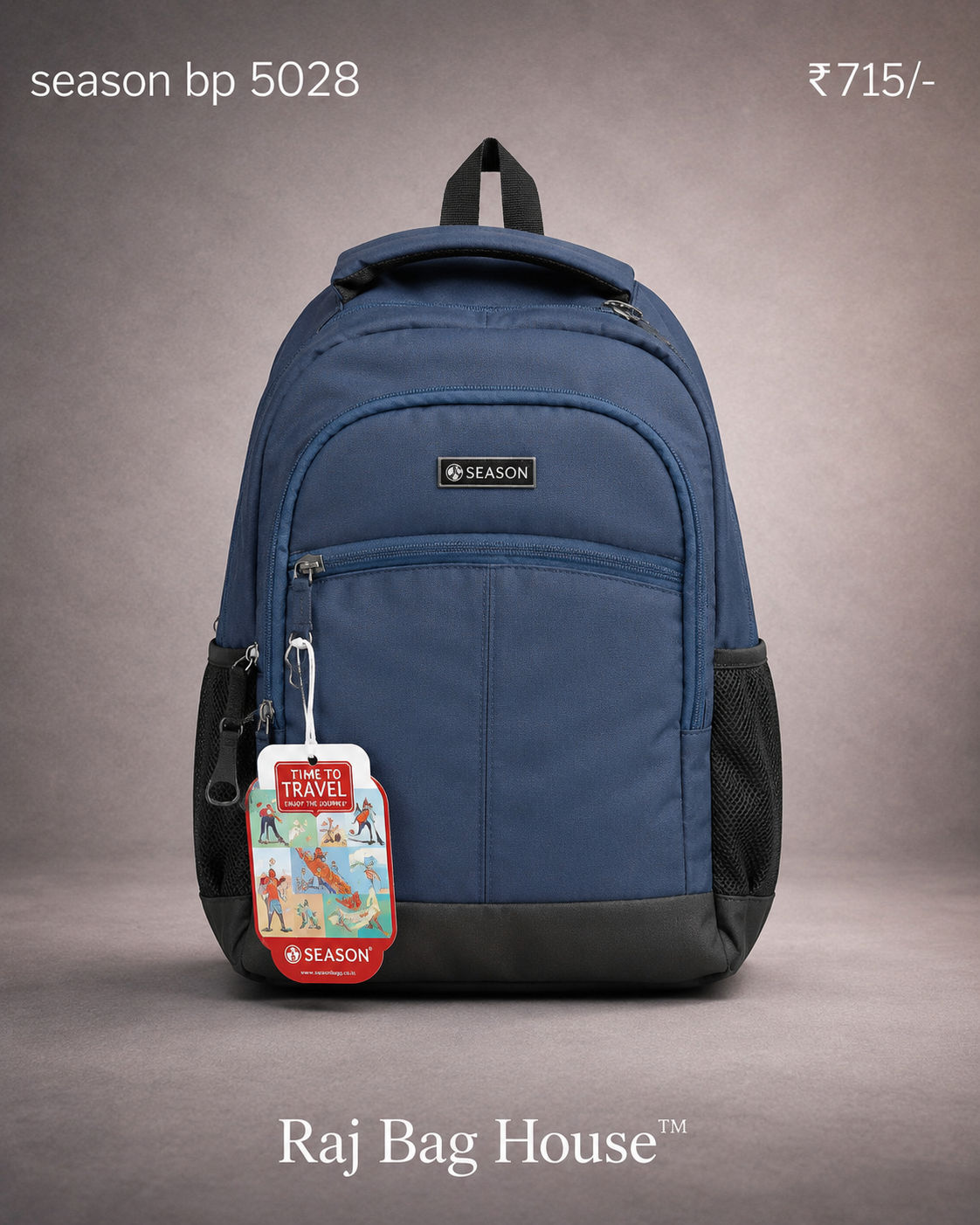
Season Backpack 5028 – Navy
Season
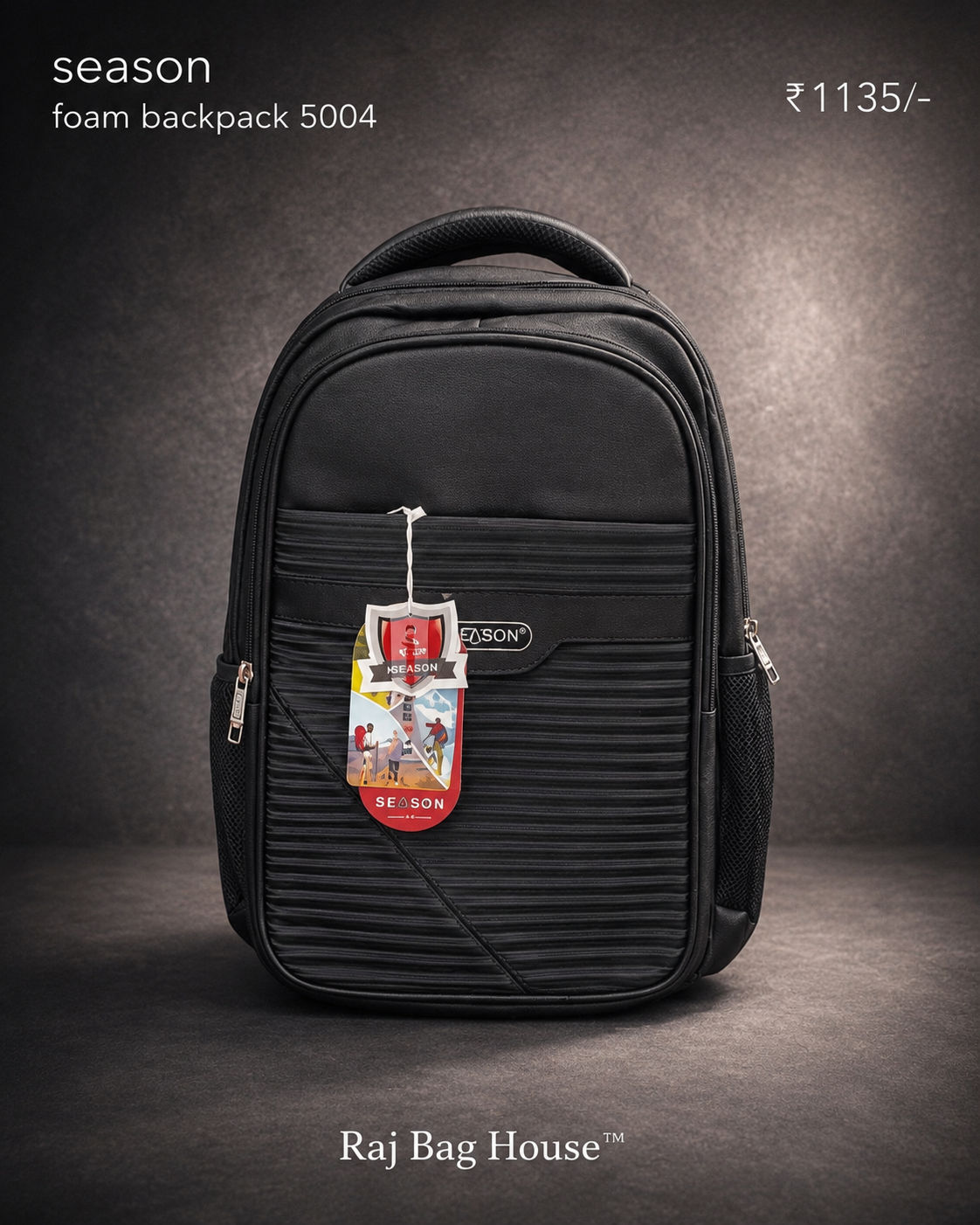
Season Foam Backpack 5004 – Black
Season
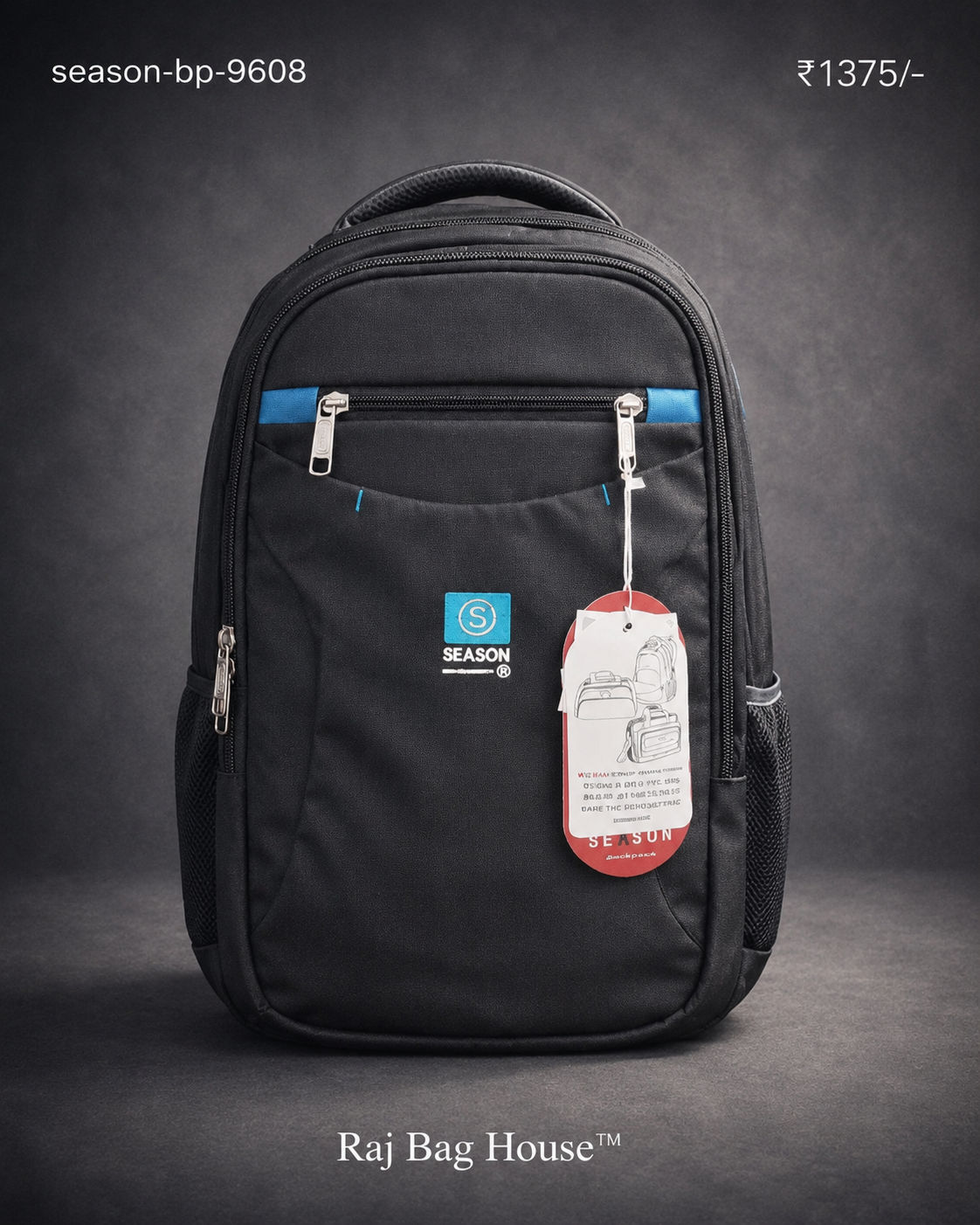
Season Backpack 9608 – Black
Season
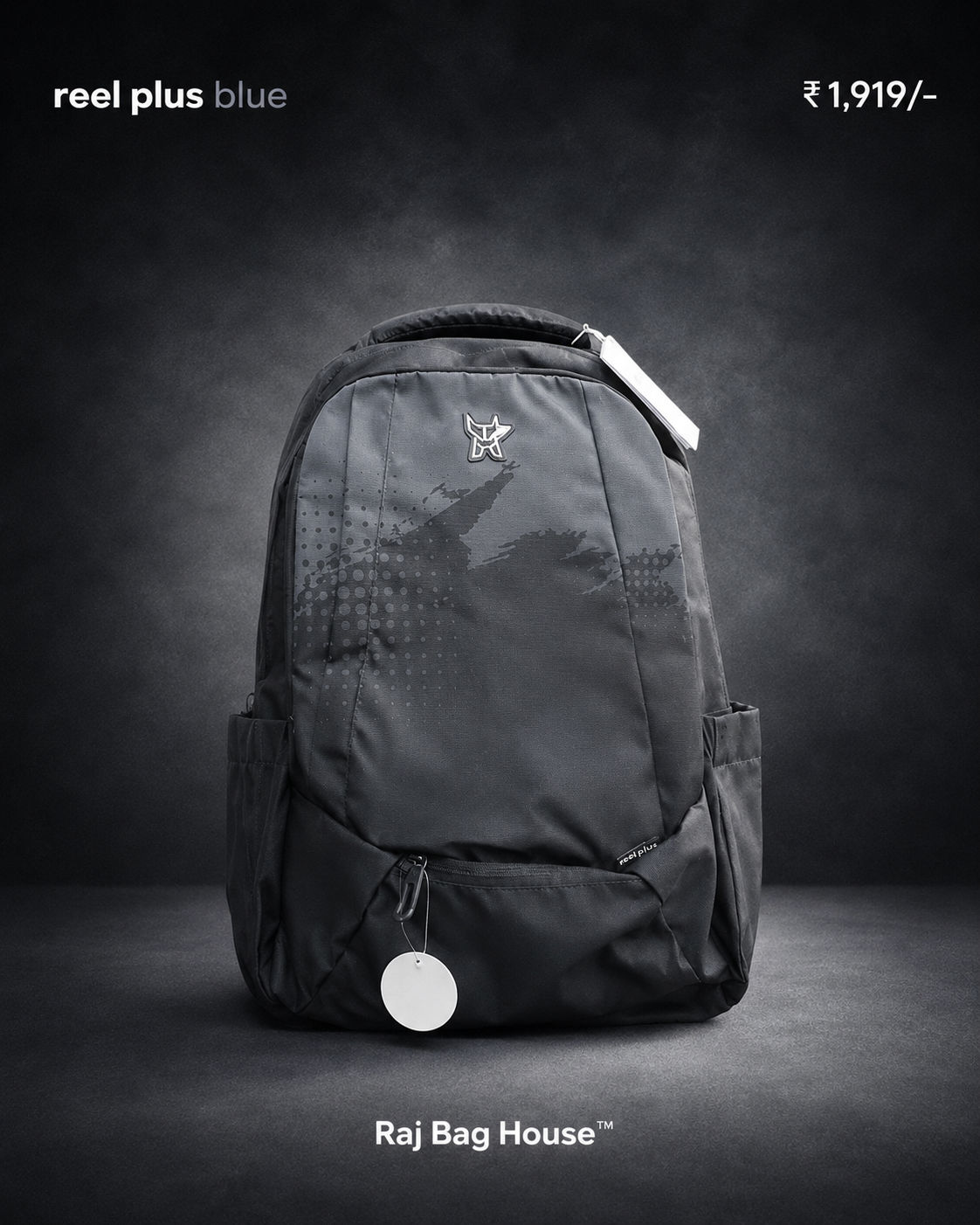
Arctic Fox Mellow Backpack – Black
Arctic Fox
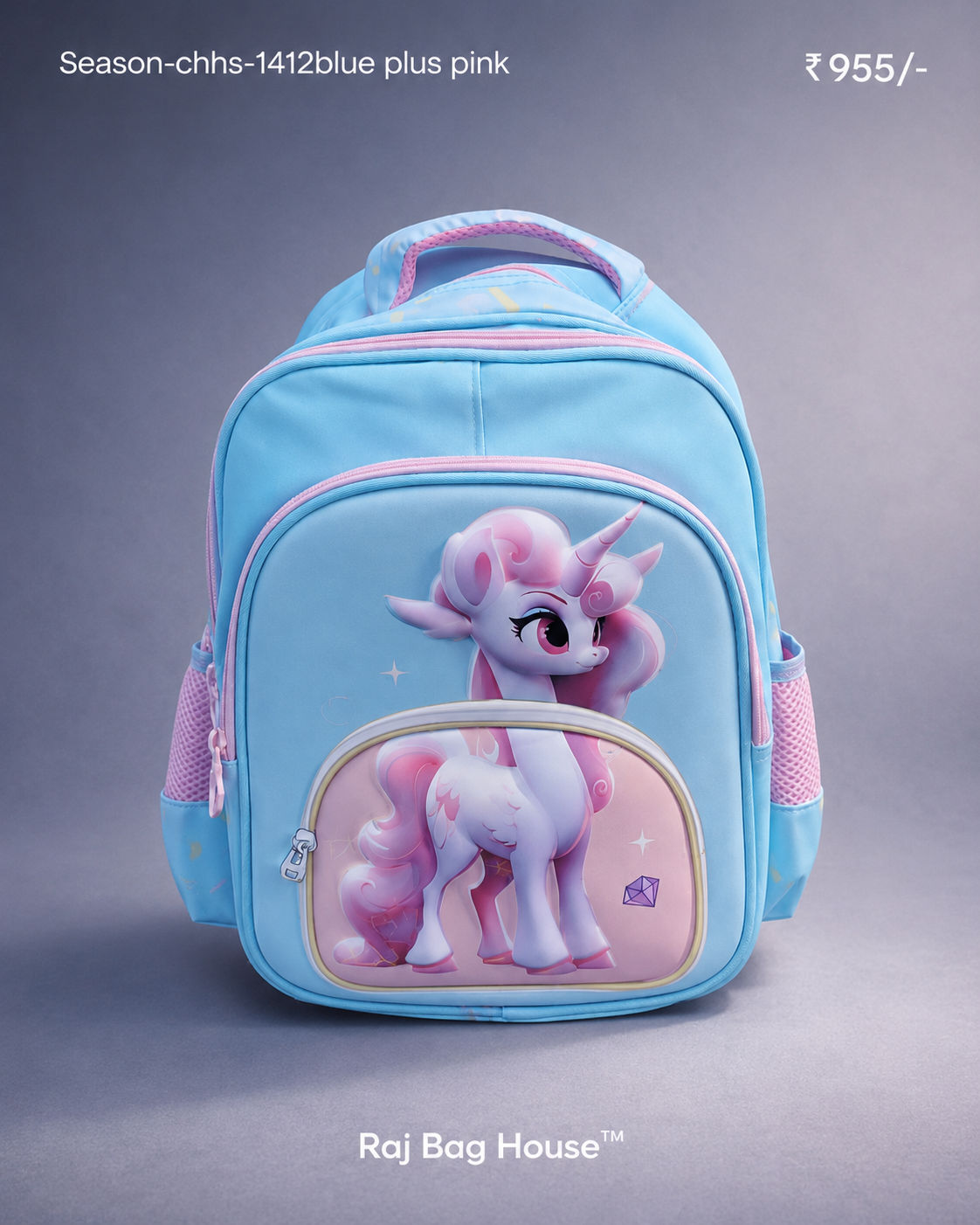
Season Unicorn School Backpack 1412 – Blue / Pink
Season
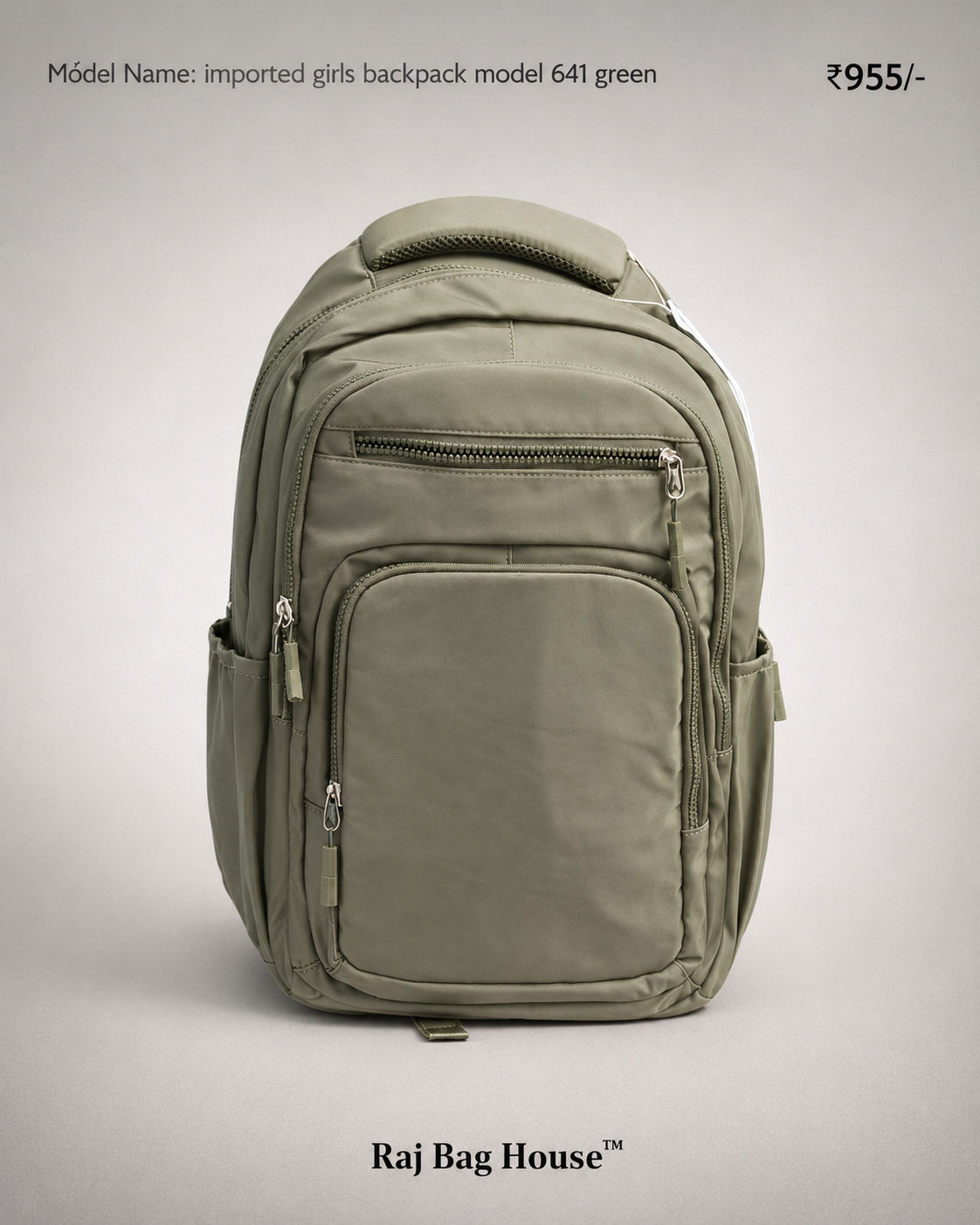
Girls Backpack 641 – Green
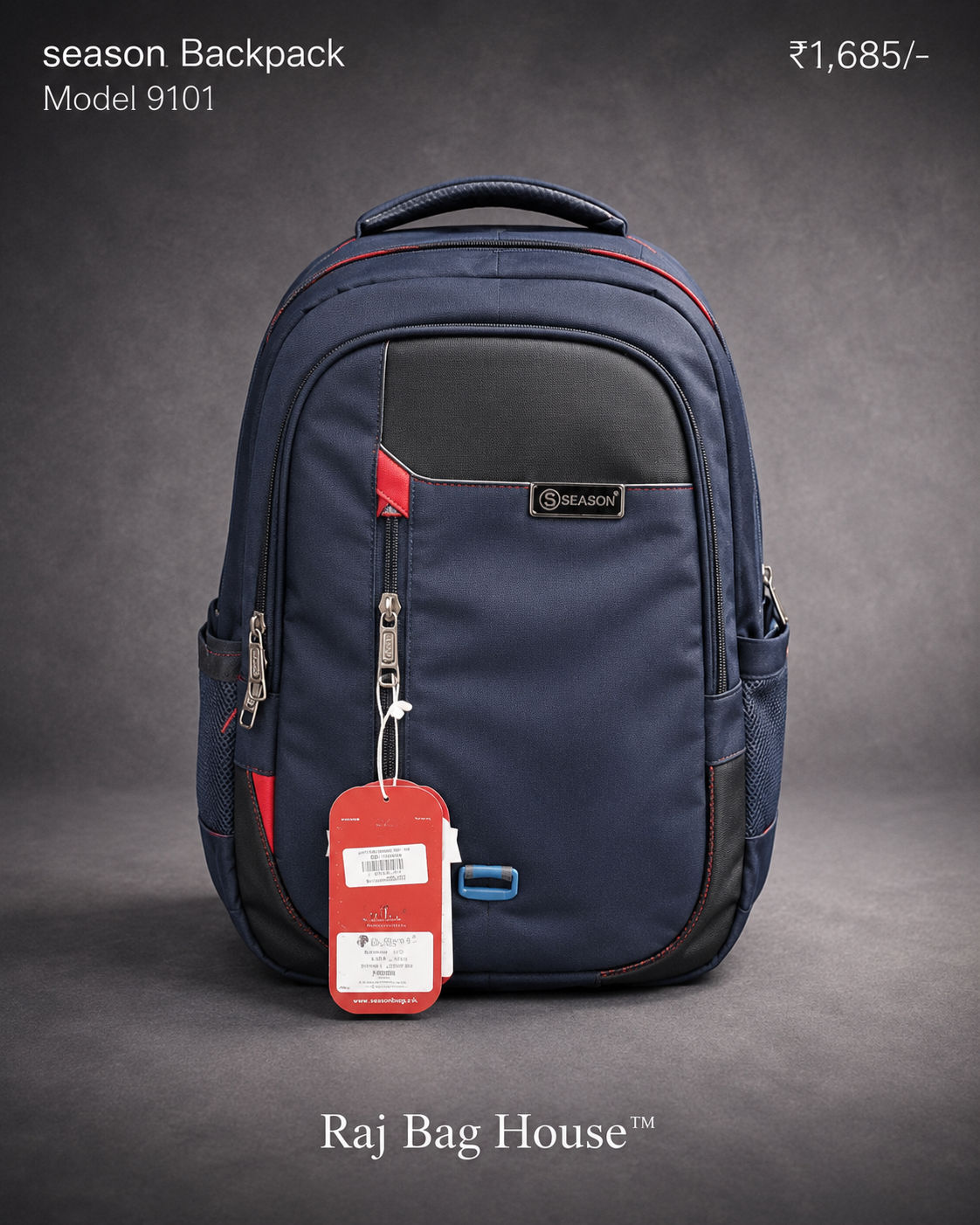
Season Backpack 9101 – Navy Blue
Season