
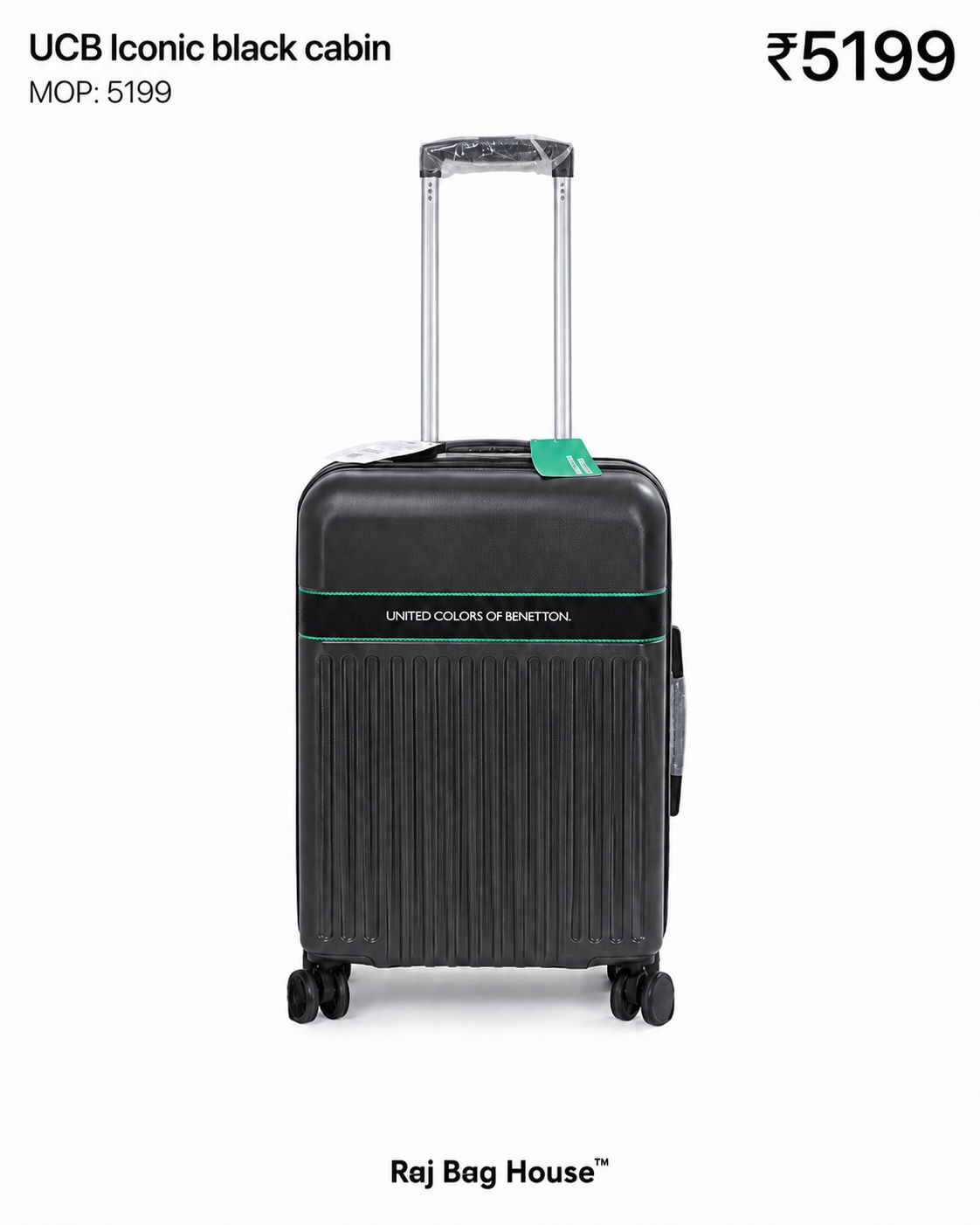
United Colors of Benetton Iconic Cabin Trolley – Black
United Colors of Benetton
₹3,639MRP ₹5,199
Swipe gallery · Tap image to zoom
Travel Club
₹2,399.60
MRP ₹5,999
Save ₹3,599.40 · 60% OFFFree delivery across India.
In stock
Available from current Raj Bag House stock.
Free
delivery across India
3 days
Return / exchange
Razorpay
Secure payment
At a glance
Brand
Travel Club
Type
Trolley Bag
Color
Rose Gold
Size
Cabin
🚚
Free delivery across India
Free delivery · normally dispatched same day or next day · usually delivered within 4 days.
↩
3-day return / exchange request
3-day request window · unused + original tags · return courier is customer-paid and the actual forward shipping cost is deducted from eligible refunds.
🏬
Maninagar store
Real store support before and after purchase.
🔒
Secure payment
Secure online payment is processed through Razorpay.
Stock can change as store and online orders are placed. Checkout confirms the order at the time of payment.
Product Information
TRAVEL CLUB PP100 SMALL TROLLEY SUITCASE — ROSE GOLD This listing is for one Travel Club PP100 suitcase in Rose Gold, selected in the cabin-sized. Its photographed exterior has a pink-toned rose gold finish, a structured hard-shell profile, horizontal ribs near the top and bottom, and a distinctive geometric pattern across the face. The selected colour and size belong to this individual suitcase; this is not a three-piece set. Raj Bag House presents the supplied product photographs so you can compare the front,…
TRAVEL CLUB PP100 SMALL TROLLEY SUITCASE — ROSE GOLD This listing is for one Travel Club PP100 suitcase in Rose Gold, selected in the cabin-sized. Its photographed exterior has a pink-toned rose gold finish, a structured hard-shell profile, horizontal ribs near the top and bottom, and a distinctive geometric pattern across the face. The selected colour and size belong to this individual suitcase; this is not a three-piece set. Raj Bag House presents the supplied product photographs so you can compare the front, available side view, and available rear view before choosing. SIZE AND APPROXIMATE MEASUREMENTS The small variant is approximately 21.5 inches high, with a photographed face width of approximately 13 inches and depth of approximately 8 inches. The supplied artwork labels the face width as Length and the depth as Width. The height arrow is shown alongside the case with the trolley handle extended above it; do not treat the artwork as a confirmed airline-ready measurement of every external projection. This variant belongs to the approximately 21-inch cabin-sized in the PP100 range. Verify the actual overall dimensions against your travel requirements. EXTERIOR AND HANDLING DETAILS The gallery shows a telescopic trolley handle, a zip closure along the shell join, and wheel assemblies at the base. The ribbed exterior and inset geometric lines give the case a consistent visual design from the supplied angles. Where the selected gallery includes a side view, you can inspect the visible lock panel and carrying grip. These observations describe the photographed exterior. They do not establish a specific unloaded weight, internal capacity, material test rating, lock certification, or interior compartment layout. CHOOSING THIS VARIANT Choose this smaller variant when a compact packing plan and easier handling are priorities. It is the smallest of the three listed sizes, but cabin acceptance still depends on the carrier's actual limits. Rose Gold identifies the selected finish. Review the supplied angles together; lighting and screen settings can affect the apparent shade. The following detailed travel and care guide helps you plan packing, handle the case sensibly, and compare sizes. Suggested pouches, packing cubes, luggage tags, and other accessories are separate suggestions unless explicitly included in the purchase. PACKING WITH A CLEAR PLAN Start with the journey rather than with an empty suitcase. Write down the number of nights, the activities you expect, and the clothes you will actually wear. A hotel break, a family function, and a work visit create different packing needs even when they last the same number of days. Put the essentials together before adding optional items. This approach helps you select a useful size and leaves you with a clearer idea of what belongs in your luggage. LAYING OUT YOUR CLOTHING Arrange complete outfits on a bed or table before packing. Choose garments that work with more than one outfit, and keep special occasion clothing separate from everyday changes. Fold structured items along their natural seams. Soft casual clothing can be folded or rolled according to your preference. Neither method guarantees a crease-free arrival, so consider fabric and space rather than assuming one technique always wins. Leave heavily decorated clothing where it will not press directly against shoes or hard accessories. BALANCING THE LOAD Distribute the contents across the available packing area instead of placing every heavy item on one side. A balanced arrangement makes the packed case easier to manage when you lift it or change direction. Keep dense items low and close to the wheel end where your packing layout allows. Do not assume that a suitcase's external dimensions tell you how much weight you should put inside it. Airline allowances, your own lifting comfort, and the manufacturer's guidance all need separate consideration. SEPARATING FOOTWEAR Clean the soles of shoes before placing them beside clothing. A separate shoe pouch or an ordinary protective bag can keep dust away from other belongings; these packing accessories are suggested separately and are not promised as part of this product. Position shoes so sharp heels or rigid edges do not press against delicate fabric. Consider whether you really need a different pair for every occasion. Wearing the bulkier pair during travel can leave additional room for the rest of your wardrobe. PLANNING FOR TOILETRIES Close toiletries securely and keep them in a separate leak-resistant pouch of your own. Protect glass containers individually and avoid placing a heavy object directly over them. A suitcase's outer shell does not prevent a bottle inside from leaking. For flights, check the rules applicable to your route and bag type before packing liquids, aerosols, medicines, or grooming products. Keep anything you may need during the journey accessible in a suitable personal bag rather than buried in luggage that could be checked in. KEEPING IMPORTANT ITEMS ACCESSIBLE Decide which belongings you need before reaching your destination. Tickets, identification, essential medicines, payment methods, and travel documents usually deserve a more accessible location than the bottom of a packed case. Follow the carrier's rules for batteries and electronic devices. This luggage listing does not establish which items may travel in an aircraft cabin or hold. Check those requirements separately, and keep fragile or high-value belongings under your own supervision whenever practical. CHOOSING PACKING ACCESSORIES Packing cubes, garment pouches, laundry bags, and shoe covers can help you group belongings by purpose. Choose accessories that fit your own packing habits rather than filling the case with organisers you will not use. The photographs of this suitcase do not establish that these accessories are included. Consider them optional additions. A simple grouping system is often sufficient: clothing together, footwear protected, toiletries contained, and smaller accessories placed where you can find them without unpacking everything. LEAVING ROOM FOR THE RETURN The return journey often includes purchases, gifts, or clothing that no longer folds as neatly as it did at home. Leave practical space if you expect to bring something back. Avoid planning a suitcase that closes only when you sit on it. Excess pressure can make opening and closing awkward and place unnecessary strain on the closure. The visible shape of this model is not evidence of an expansion feature, so do not assume additional capacity beyond the case you are buying. USING THE TELESCOPIC HANDLE The product photographs show an extending trolley handle. Use the handle to guide the case and keep your movement controlled. Retract it when placing the luggage in a storage space or when it is no longer needed. Avoid treating the extended tubes as a lifting handle, a seat support, or a hook for a heavy extra bag. If you need to lift a packed case, use an appropriate carrying handle and consider the total weight before doing so. MOVING THROUGH BUSY PLACES In a crowded station, airport, hotel entrance, or shop, keep the luggage close enough that you can see its path. Look ahead for changes in floor level and give other people room when turning. Wheels reduce the need to carry luggage continuously, but they do not make every surface equally easy to cross. Rough paving, gaps, gravel, and steep slopes can require a different approach. Do not force wheels sideways over an obstruction when you can guide the case around it. HANDLING STEPS AND KERBS Approach stairs, platform edges, and kerbs deliberately. Stop rolling before lifting the case over the obstacle. An extending handle is not a substitute for a carrying grip when the whole weight must be lifted. Ask for help if a loaded case exceeds your comfortable lifting ability. Repeatedly dragging wheels down steps can expose them to impacts that ordinary smooth-floor movement does not. The photographs demonstrate the wheel arrangement, not a tested ability to withstand any particular drop or staircase. LOADING INTO A VEHICLE Before placing the case in a car boot, taxi, or other vehicle, check that it fits without forcing the lid shut against the suitcase. Retract the trolley handle and prevent the bag from moving around excessively during the trip. Do not place a sharp or very heavy object directly on the shell. Storage space varies between vehicles. A size label such as Small, Medium, or Large is useful for comparing this model's variants, but it cannot guarantee a fit in every vehicle. UNDERSTANDING THE SIDE VIEW The side photograph helps you examine the depth of the case, the closure line, and any visible side handle or lock panel. Compare it with the front photograph rather than relying on the front alone to judge the overall profile. Where measurements appear, treat them as approximate product image measurements. A side view cannot establish the suitcase's exact internal volume, unloaded weight, material specification, or load rating. Those details need a separate measurement or an explicit specification. UNDERSTANDING THE BACK VIEW The rear photograph shows how the trolley handle sits against the back of the suitcase and how the shell pattern continues across that side. It also helps distinguish a back view from another front photograph. Use the gallery to understand the same colour and size from different supplied angles. Do not assume that an interior organiser, compression strap, lining pocket, or divider exists merely because the exterior looks spacious. Interior construction should be checked through an interior image or a confirmed product specification. CLOSING THE CASE CAREFULLY Bring the two sides together without trapping loose fabric, straps, or accessory pouches along the closure. Move the zip steadily instead of pulling hard against a packed obstruction. If the case is difficult to close, rearrange or remove items first. The zip shown in the photographs provides a visible closure, but this description does not claim a particular zip brand, waterproof rating, or anti-theft test result. Good packing habits remain useful regardless of the closure design. USING A VISIBLE LOCK Some supplied side views show a combination lock panel. Before the first trip, read the instructions supplied with the actual suitcase and test any setting change while the case remains open. Keep your chosen combination somewhere secure and do not rely on an unfamiliar reset procedure. A lock is an access feature, not a guarantee that luggage cannot be opened or damaged. Any specific security certification, approved inspection standard, or warranty promise needs confirmation for the actual variant you receive. LOOKING AFTER THE SHELL For ordinary surface dust, start with a soft cloth. If a damp cloth is suitable under the care instructions, use it gently and dry the surface afterwards. Avoid abrasive cleaning tools, strong solvents, or untested cleaning chemicals. Test any permitted cleaner on a small unobtrusive area before using it broadly. The ribbed shell pattern is visible in the images; it does not establish that the finish is scratch-proof. Everyday handling can produce marks, so sensible care helps preserve the appearance. CARING FOR WHEELS AND HANDLES Check wheels and handles after a journey for threads, grit, or other debris that could interfere with movement. Remove loose dirt carefully without forcing the mechanism apart. If a wheel, handle, or closure begins to catch, investigate before the next trip rather than increasing the force you use. This listing does not provide a repair manual or identify a replacement part. Contact the retailer with the model, size, and clear photographs if you need help identifying a problem. DRYING AND STORING AFTER TRAVEL Empty the case after a trip and check for forgotten damp clothing or leaking toiletries. Let the luggage dry in an appropriate ventilated place before closing it for storage. Avoid prolonged exposure to strong heat or direct sunlight when storing it. Retract the handle, keep the wheels clear of unnecessary pressure, and choose a space where heavy objects will not distort the case. Do not assume that an empty suitcase can safely carry the weight of stored household items stacked over it. KEEPING CLEAN AND USED ITEMS SEPARATE A separate laundry bag can help distinguish worn clothes from clean outfits during a trip. Choose a bag that suits your needs and remember that it is an optional packing accessory, not an included feature established by the photographs. Keep damp items separate and dry them as soon as practical rather than sealing them inside the case for long periods. This small habit makes unpacking easier and helps prevent moisture from affecting the rest of your belongings. PLANNING A FAMILY JOURNEY When several people travel together, assign each case a clear purpose. One person may carry shared clothing, another may manage essentials, and a personal bag may hold items required during the journey. Avoid relying on colour alone to identify everyone's luggage if multiple people choose the same finish. A separate luggage tag or your own identification marker can help. For children or anyone who needs assistance, consider who will actually lift and guide the loaded case rather than choosing size solely by appearance. PREPARING FOR A WORK TRIP For work travel, separate meeting clothes and personal items so that unpacking does not require searching through every layer. Protect documents and electronic equipment according to their own requirements. This suitcase is not described as a dedicated padded laptop case, and the exterior photographs do not establish an electronics compartment. Carry equipment in an appropriate protective bag if needed. Decide in advance whether your itinerary requires frequent access to work items or whether the suitcase will remain closed until you reach the hotel. PREPARING FOR A FUNCTION OR HOLIDAY For a family function or holiday, think about special clothing, footwear, toiletries, and return gifts as separate packing groups. Delicate embellishments deserve protection from rigid objects, and pressed garments may need attention again after arrival. A trolley case provides a way to move packed belongings, but it does not guarantee that every garment remains perfectly pressed. Select the size after laying out what you need, and resist adding unnecessary items simply because you have spare room. COMPARING THE THREE SIZES Compare Small, Medium, and Large according to the space you need and the case you can comfortably manage. The smaller option can be useful for a lighter packing plan, the middle option for additional clothing, and the larger option for bulkier or shared belongings. These are general planning examples, not guaranteed trip lengths or capacities. The number of outfits a suitcase holds depends on garment bulk, folding style, packing accessories, and what else you bring. UNDERSTANDING AIRLINE REQUIREMENTS A product size name is not a universal airline approval. Carriers can use different external dimensions and weight limits, and the requirements may vary with route, fare, or aircraft. Wheels and fixed handles may count in a carrier's measurement. Check the allowance attached to your booking and measure the actual packed case when necessary. Do not assume that a Small or Cabin-labelled listing will be accepted on every flight or that a Large case qualifies for every checked-baggage allowance. READING COLOUR PHOTOGRAPHS Use the colour name to identify the selected variant and the gallery to understand its appearance under the supplied photographic lighting. A phone screen, monitor settings, room lighting, and reflections can affect how a finish looks. The same photographed case may look slightly different between angles because its ribbed surface reflects light differently. These images should help you choose the intended colour, but they cannot promise that every screen reproduces the physical product's exact shade. CHECKING YOUR SELECTED VARIANT Before ordering, confirm the model, colour, size, and quantity shown in the product selection. This listing describes one suitcase in its selected variant, not a three-piece set. Similar colours and neighbouring sizes belong to separate variants unless the listing explicitly states otherwise. The Small, Medium, and Large MRPs differ, so compare the selected size with the pricing shown for that item. If a gallery image appears inconsistent with the selected variant, ask for clarification before relying on it. REVIEWING THE PRODUCT ON ARRIVAL When your luggage arrives, check that the received model, colour, and size match the order. Examine the shell, wheels, handles, closure, and any supplied accessories before packing for a journey. Keep the invoice and relevant packaging until you have completed your initial check. Follow the retailer's published delivery and return terms; this description does not create an additional return promise. If something appears incorrect, report it clearly with the order details and useful photographs. MAKING THE FIRST PACKING TEST Try packing at home before a time-sensitive departure. Extend and retract the trolley handle, guide the packed case over a suitable smooth floor, and confirm that you can lift it comfortably when necessary. Check that the closure moves freely and that nothing catches along its path. A short practical test can reveal an overpacked layout while you still have time to rearrange it. It is more useful than judging capacity from a photograph or from an estimated number of travel days. KEEPING A SIMPLE PRE-DEPARTURE ROUTINE Before leaving, confirm that the case is closed, the handle retracts, and important items remain accessible in the bag where you intended to keep them. Check identification and booking documents separately. Look for loose straps or tags that could catch during handling. If you use a lock, verify its operation using the supplied instructions. A consistent routine reduces last-minute searching and helps you notice an issue while you can still correct it at home. CHOOSING FOR YOUR OWN TRAVEL STYLE The best size is the one that matches your packing and movement requirements. Someone who travels with a few light outfits may prefer a smaller case; another traveller carrying bulky clothing may need more room even for the same itinerary. Consider stairs, vehicle storage, who will lift the luggage, and how often you change locations. A model's visual appeal matters, but a comfortable and practical packing plan matters too. Choose the variant after considering both.
Specifications
Customer Feedback
Reviews shown here are customer submissions approved by Raj Bag House.
Still deciding?
Tell us how you plan to use the bag. We can help you shortlist the right option from current stock instead of guessing.
Travel Club
₹2,399.60₹5,999
Explore more
Related in-stock options from Raj Bag House.
United Colors of Benetton Iconic Cabin Trolley – Black
United Colors of Benetton
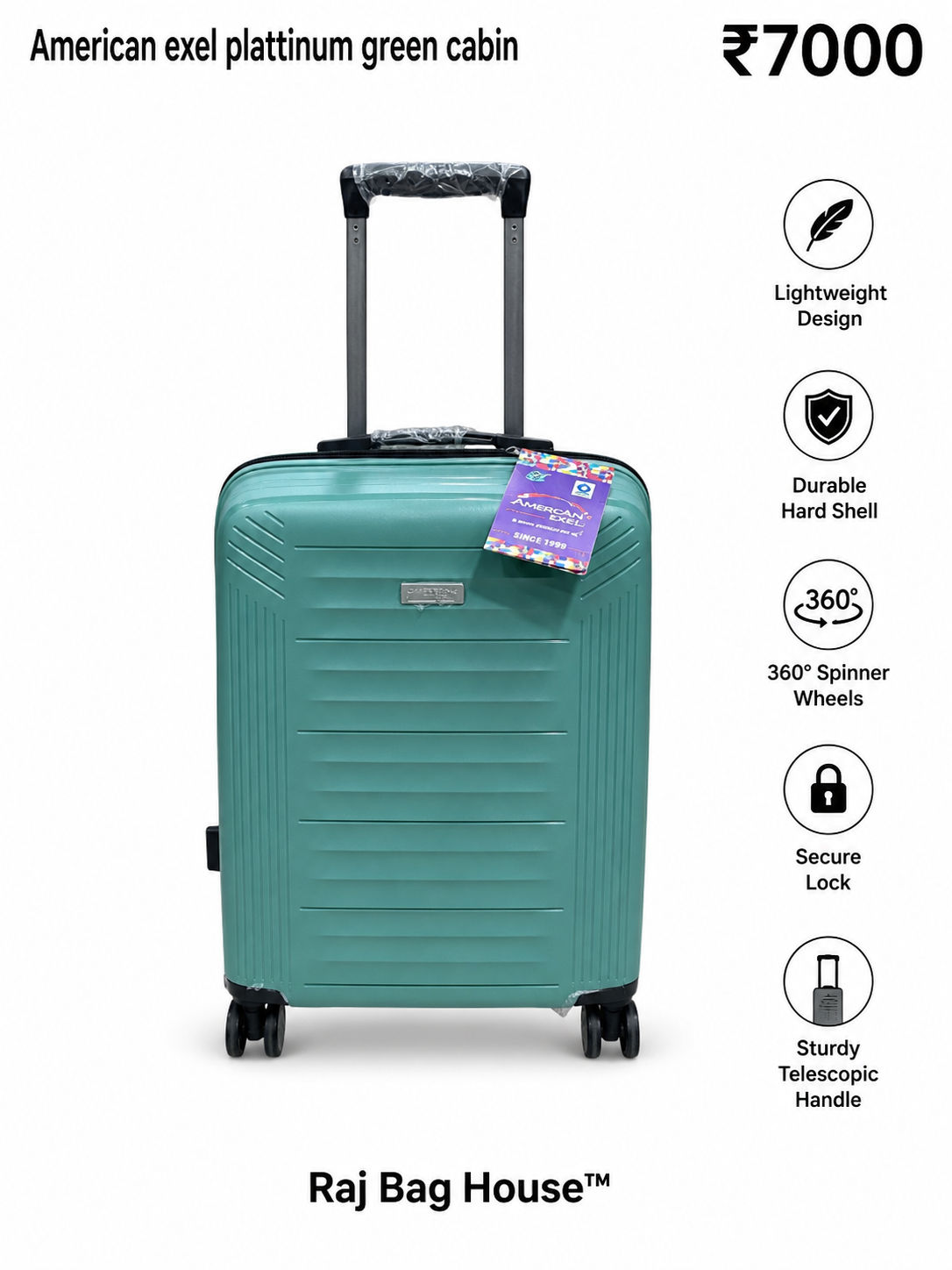
American Exel Platinum Cabin Trolley – Green / Pista Green
American Exel
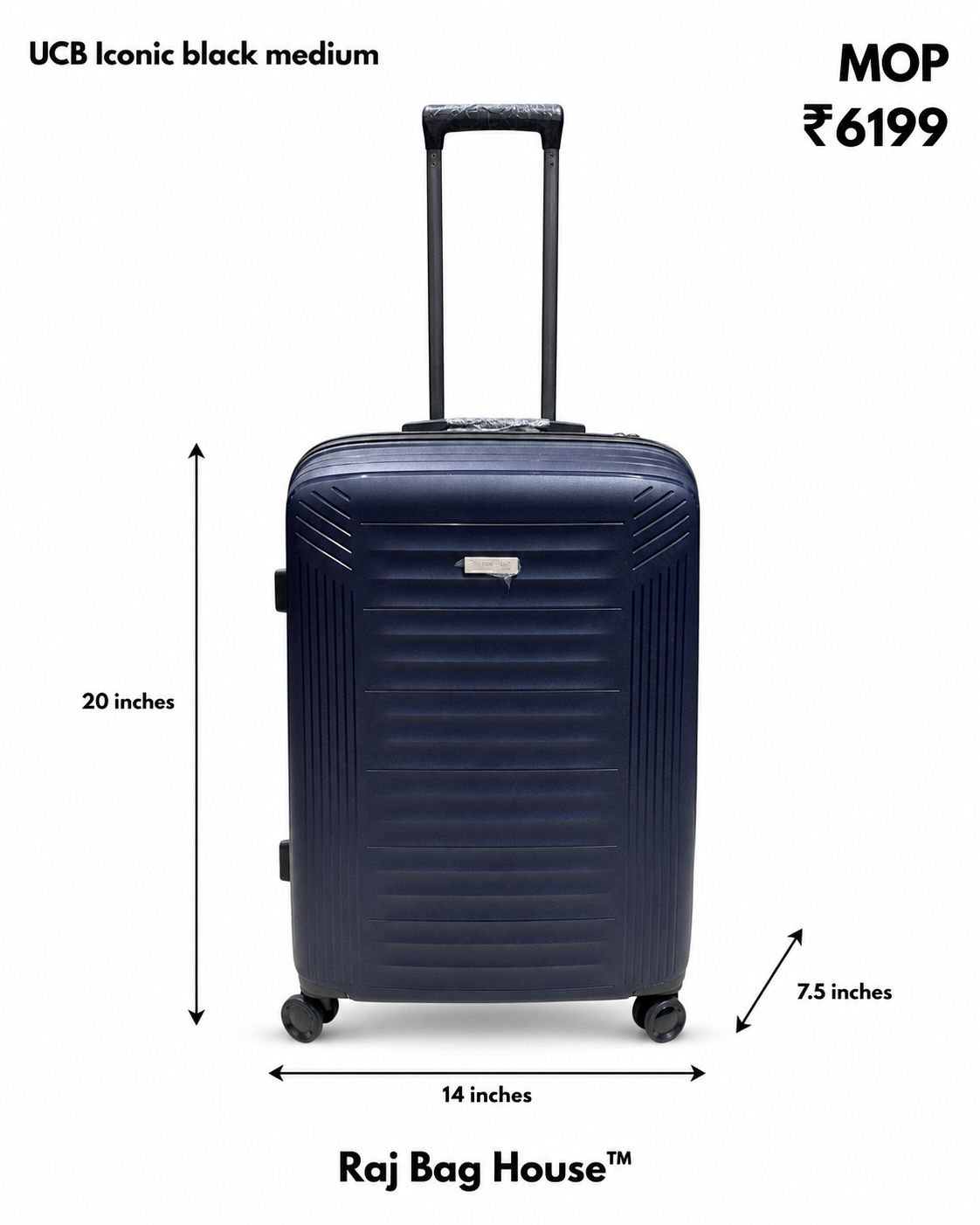
American Exel Platinum Cabin Trolley – Navy Blue
American Exel
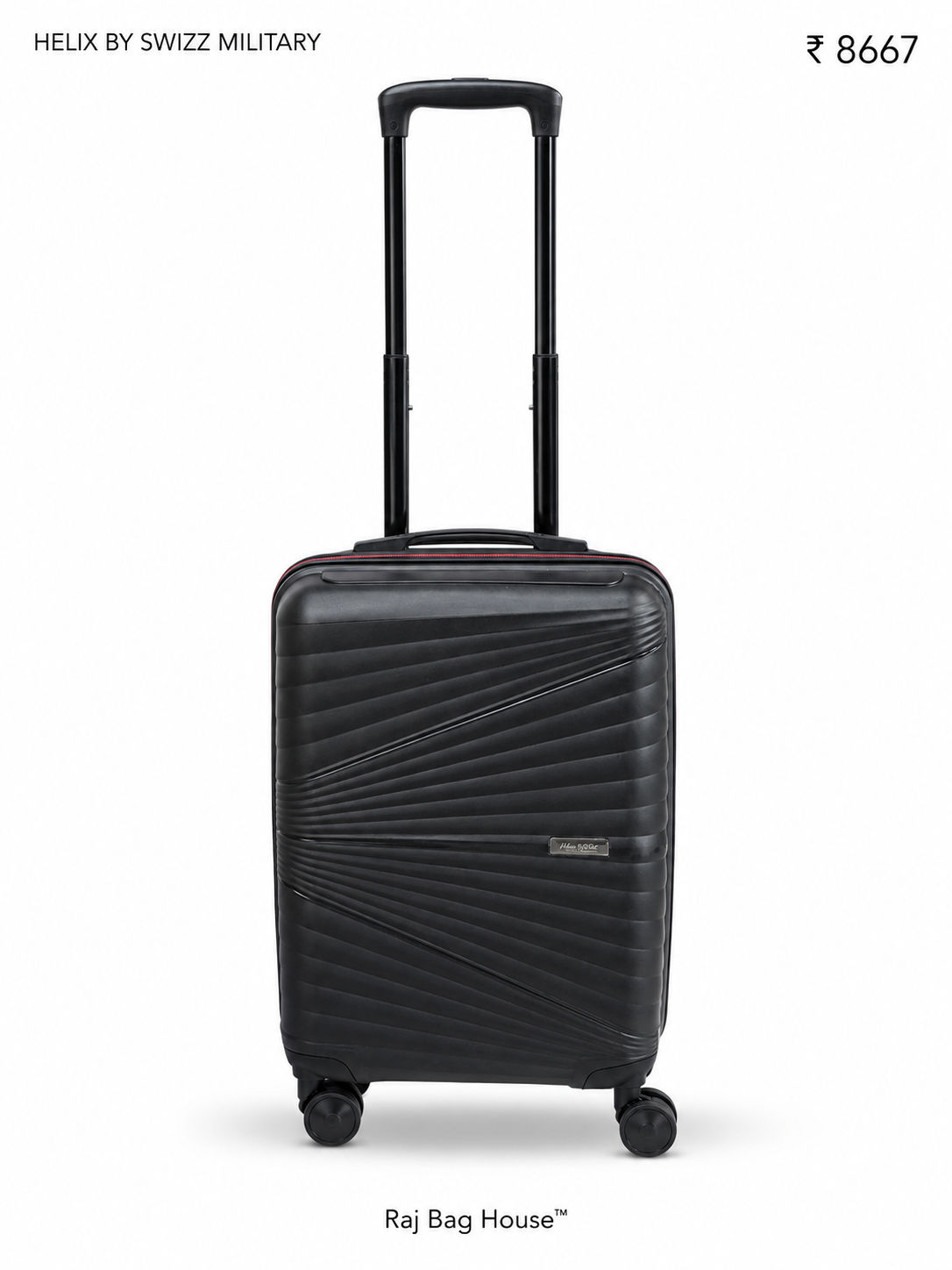
Helix by Swiss Military Cabin Trolley – Black
Helix by Swiss Military
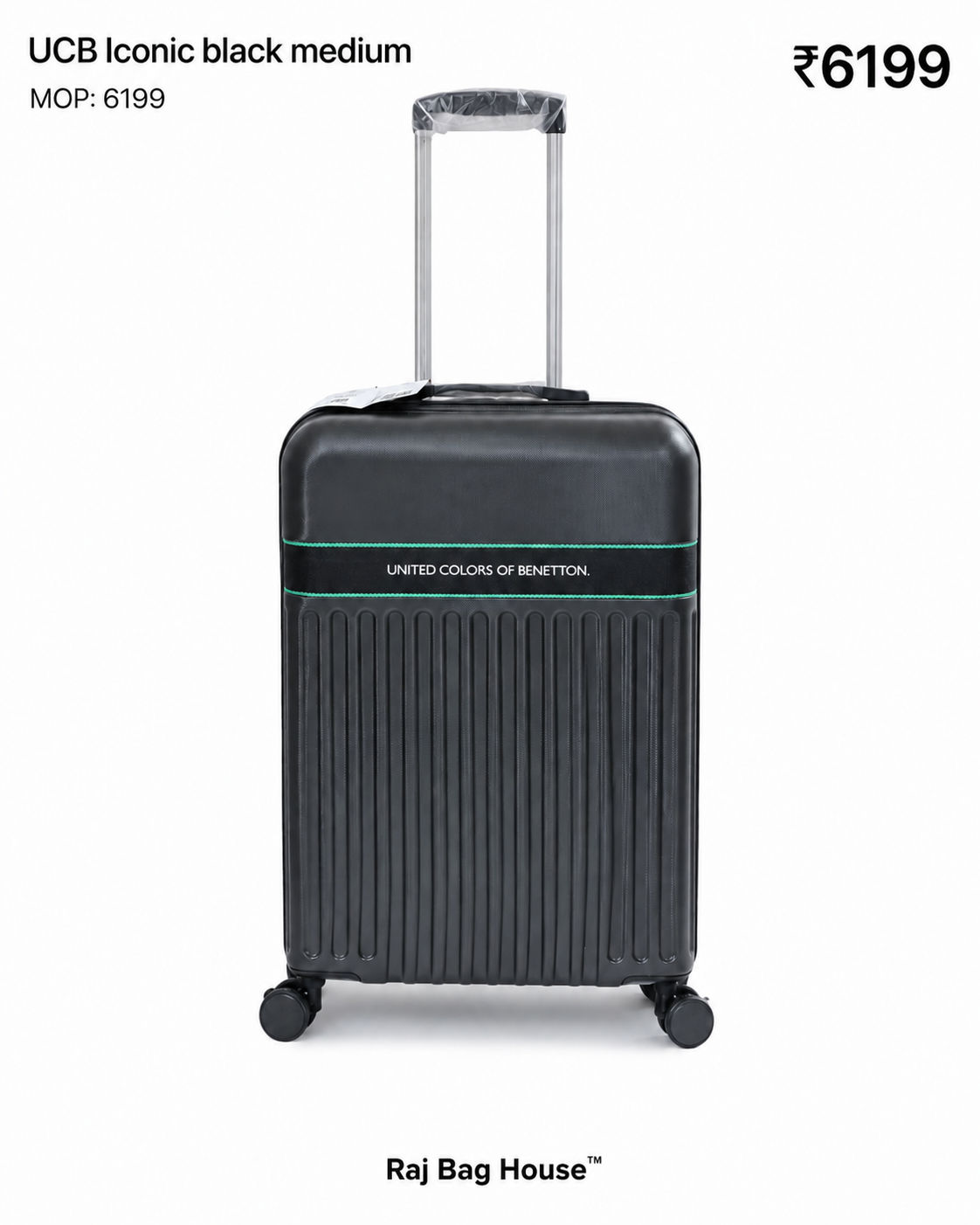
United Colors of Benetton Iconic Medium Trolley – Black
United Colors of Benetton
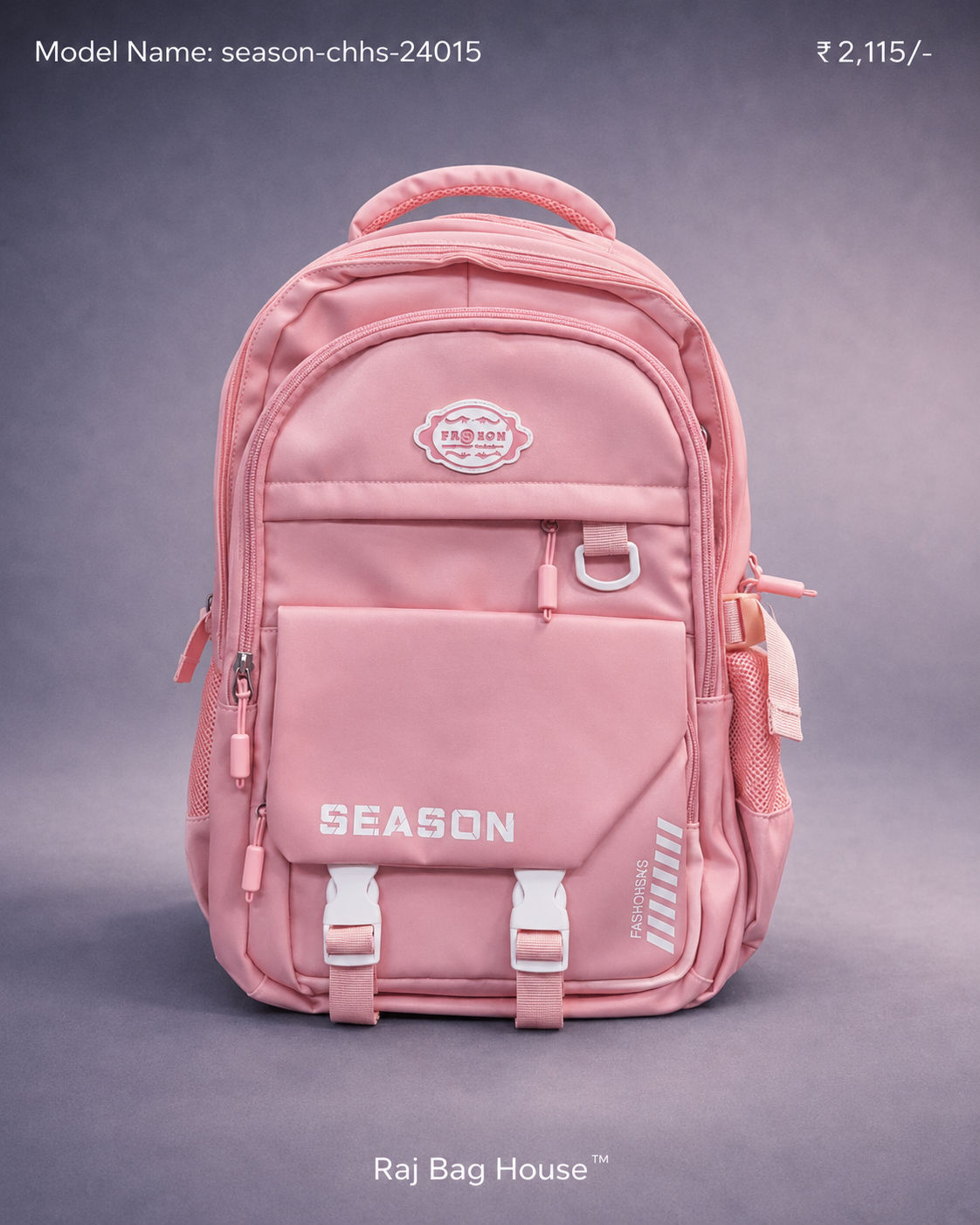
Season Backpack 24015 – Pink
Season
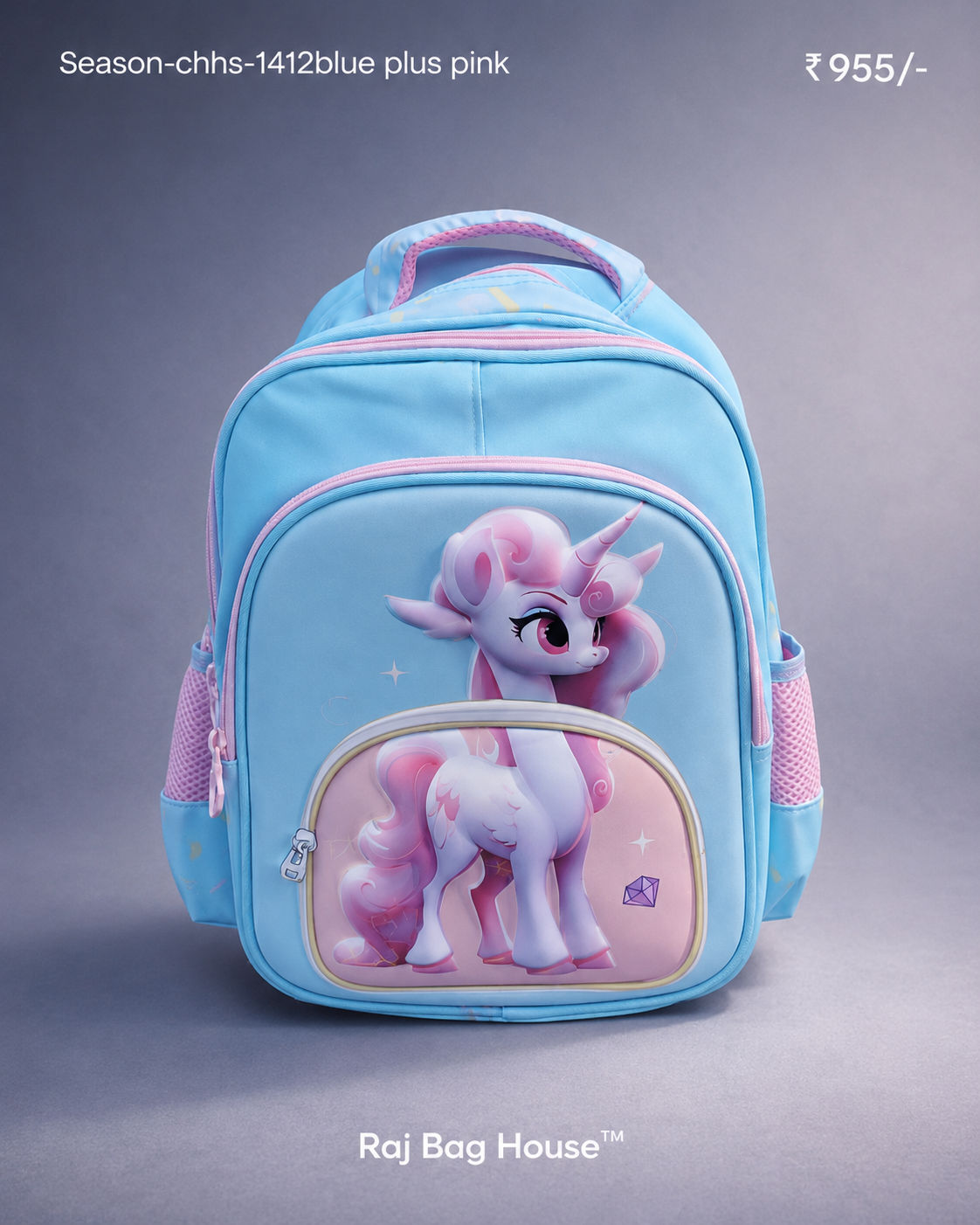
Season Unicorn School Backpack 1412 – Blue / Pink
Season
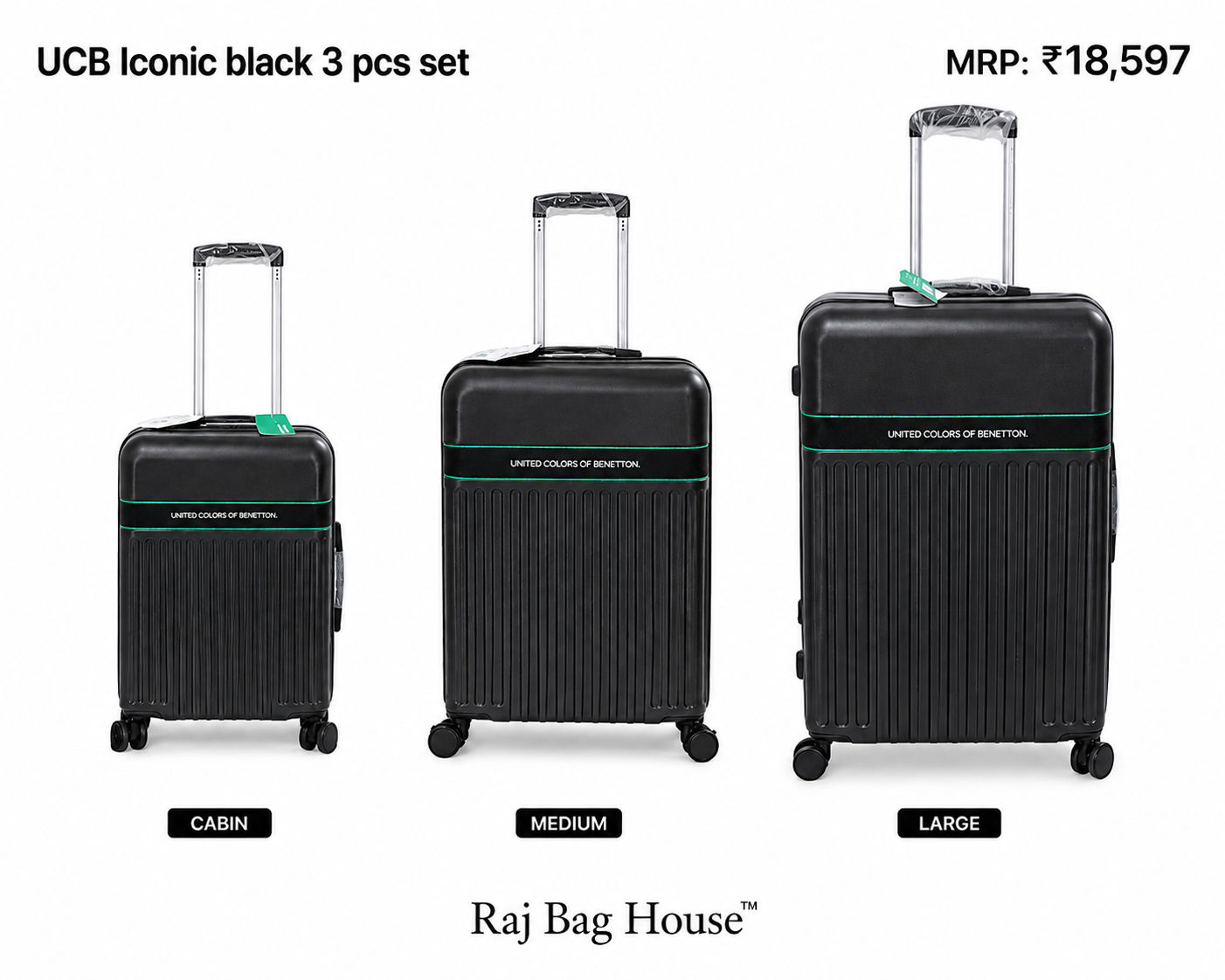
United Colors of Benetton Iconic 3-Piece Trolley Set – Black
United Colors of Benetton