
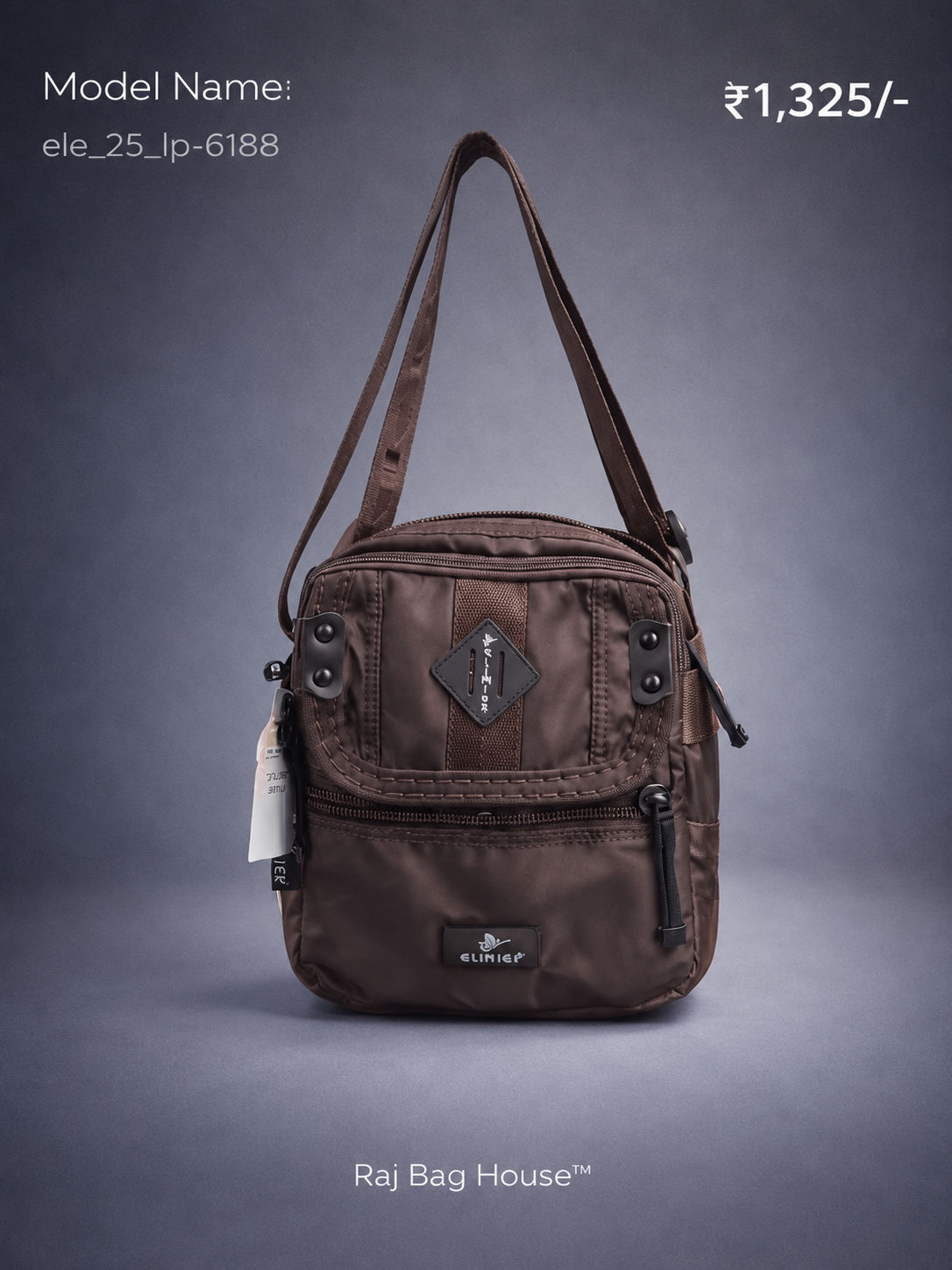
Elemier Crossbody Sling Bag 6188 – Brown
Elemier
₹1,325
Swipe gallery · Tap image to zoom
Your Choice
₹225
Free delivery across India.
In stock
Available from current Raj Bag House stock.
Free
delivery across India
3 days
Return / exchange
Razorpay
Secure payment
At a glance
Brand
Your Choice
Type
Waist Pouch
Color
Navy Blue
Size
Large
🚚
Free delivery across India
Free delivery · normally dispatched same day or next day · usually delivered within 4 days.
↩
3-day return / exchange request
3-day request window · unused + original tags · return courier is customer-paid and the actual forward shipping cost is deducted from eligible refunds.
🏬
Maninagar store
Real store support before and after purchase.
🔒
Secure payment
Secure online payment is processed through Razorpay.
Stock can change as store and online orders are placed. Checkout confirms the order at the time of payment.
Product Information
YOUR CHOICE 7007 WAIST POUCH - NAVY BLUE PRODUCT OVERVIEW Your Choice 7007 Waist Pouch - Navy Blue is presented by Raj Bag House in the selected Navy Blue variant. The listed price is INR 225, matching the price shown in the supplied product artwork. This listing is for one product in the selected model and colour. Other colours or models belong to separate catalogue items. The product gallery uses the supplied images of this item. Its first image introduces the product, with the available alternate views…
YOUR CHOICE 7007 WAIST POUCH - NAVY BLUE PRODUCT OVERVIEW Your Choice 7007 Waist Pouch - Navy Blue is presented by Raj Bag House in the selected Navy Blue variant. The listed price is INR 225, matching the price shown in the supplied product artwork. This listing is for one product in the selected model and colour. Other colours or models belong to separate catalogue items. The product gallery uses the supplied images of this item. Its first image introduces the product, with the available alternate views following in a practical order. VISIBLE WAIST-POUCH DETAILS The supplied product photographs show a compact Your Choice 7007 waist pouch with zip closures, a front YC/Your Choice mark, a black woven belt, and a rear zip pocket. The front includes a curved upper zip and a smaller front zip opening. The reverse view shows the belt arrangement and the rear pocket. Where a side angle is supplied, it helps you judge the profile of the selected colour. This listing is for one waist pouch; the photograph of the belt is part of that product's carrying arrangement. HOW TO PLAN ITS USE A waist pouch can help organise smaller everyday belongings while keeping your hands free, provided the items fit the actual compartments. Plan around essentials such as a small wallet, keys, or a phone in an appropriate case, and test fit before depending on it. These are examples of possible contents rather than promises about compatibility with every phone or wallet. Adjust the belt to a comfortable position and inspect the buckle before use. Do not treat the pouch as a substitute for a larger bag when your planned contents are too bulky. POCKET ACCESS AND CARRYING POSITION Use the front and rear photographs together to decide how you would arrange frequently used belongings. Keep the closure shut while moving and avoid placing sharp keys directly against delicate objects. A visible rear pocket is an organisation feature, not a guarantee of theft prevention. The product images do not provide the belt's minimum and maximum circumference, so the exact fit should be checked on the actual product. Additional conversion features, extension belts, or shoulder-wearing options are not promised by these photographs. DETAILED USE AND CARE GUIDE The following guide covers organisation, fit checks, careful handling, cleaning, storage, and practical ways to plan your belongings. References to phones, wallets, bottles, protective cases, or other contents are examples for your own packing plan. They do not mean those items are included with the product. A PRACTICAL GUIDE TO ORGANISING YOUR BELONGINGS START WITH THE ITEMS YOU ACTUALLY CARRY Before deciding how to use your new bag, lay out the belongings that regularly leave home with you. A phone, keys, small wallet, tissues, charging cable, spectacles, grooming products, or personal accessories all take different amounts of space. Separate daily essentials from things you carry only occasionally. This gives you a realistic packing plan. The product photographs show the bag's appearance, but the usefulness of any organiser depends on what you place inside it and how easily you need to reach those items. GROUP BY PURPOSE Keep items that belong to the same activity together. A cable and its adapter can form one group; grooming products another; payment cards and personal documents a third. Grouping does not require an elaborate system or extra purchases. Start with the bag's visible compartments and the items you already own. If you add small protective cases or pouches, remember that they occupy space too. Choose a layout that helps you find things without emptying the whole bag every time you need one object. MAKE A SHORT DAILY CHECKLIST A simple checklist can prevent repeated searching before leaving home. Think about the items you use most frequently and check those first. Confirm that keys are present, your phone is accessible, and anything essential for the day's activity has been packed. Keep your checklist short enough to use consistently. A bag can organise belongings, but it cannot remind you that an item is missing. Building a repeatable packing routine is often more useful than trying to fill every available compartment with something. PRIORITISE EASY ACCESS Decide which items you need while moving and which can remain packed until you reach your destination. Frequently used belongings should be placed where you can reach them without disturbing everything else. Less frequently used items can sit deeper in your layout. Use the photographed pocket arrangement as a guide, then test the actual bag with your own belongings. Do not assume that a pocket will fit a particular phone, bottle, notebook, or other object simply because it looks large in a photograph. CHECK FIT WITH YOUR OWN ITEMS Compare the bag with your real belongings before relying on it for a busy day or journey. If a product page has no confirmed dimensions, the model name and photograph are not substitutes for an actual fit test. A rigid object may need more room than a soft item of similar appearance. Leave enough clearance for the closure to move freely. Packing an item so tightly that the zip must be forced does not make the item a suitable fit for that compartment. KEEP SHARP OBJECTS PROTECTED Keys, exposed metal edges, scissors, and other pointed objects should not press directly against delicate belongings or the bag's lining. Use a suitable protective cover when needed, or place them separately. Do not allow a sharp object to protrude through a pocket or press against your body while carrying the bag. These are everyday packing precautions, not claims about a puncture-resistant construction. The photographs do not establish a tested resistance to sharp objects, so sensible separation remains important. AVOID UNNECESSARY OVERPACKING A useful bag is one you can close and carry comfortably. Do not keep adding items simply because a compartment appears to have spare room. Overpacking makes it harder to find belongings and can put pressure on the closure, seams, and carrying parts. If you need to pull hard to close the bag, rearrange or reduce the contents first. No load rating is established by the product images, so choose a manageable amount rather than assuming unlimited carrying capacity. BALANCE THE CONTENTS Place belongings so that one side does not become unnecessarily heavier than the other. A balanced arrangement helps the bag sit more predictably in use or inside another piece of luggage. Keep dense items from pushing against softer objects. For a carried bag, consider how the contents will feel against your body; for an organiser, consider how it will sit in the space where you store it. A good layout is practical rather than decorative, and it may change as your daily needs change. PROTECT FRAGILE BELONGINGS Spectacles, small electronic devices, cosmetic containers, and other fragile items may need their own protective cases. The exterior photograph of a bag does not establish that every pocket is padded or suitable for every delicate object. Keep fragile items away from pressure and hard edges. A protective case is a separate accessory unless explicitly included in the listing. If an item is valuable or easily damaged, use a protection method appropriate to that item rather than relying on the bag's appearance alone. MANAGE CABLES AND SMALL ACCESSORIES Loose cables can become difficult to identify when mixed with other belongings. Coil them gently, keep compatible parts together, and avoid tight bends that could damage them. A separate small case can help if your chosen bag has a larger open area, but it is an optional packing choice. Before leaving, confirm that you have the cable or adapter needed for the device you are carrying. A bag's visible side opening or panel does not by itself prove that a charging system is supplied or operational. KEEP LIQUID CONTAINERS SECURE If you pack toiletries, cosmetics, or any other liquid container, close the container securely and check for leaks before placing it beside other belongings. A zippered bag is not automatically a sealed liquid container. Protect objects that should remain dry and consider an additional suitable pouch around products that could spill. Keep upright containers upright where practical. Follow the care and handling instructions for the contents themselves, and do not treat a transparent panel as proof of waterproof or leakproof performance. SEPARATE CLEAN AND USED ITEMS An organiser can be useful for keeping clean accessories apart from items that have been used during the day or journey. Choose a separation method that fits the bag and your routine. Do not leave damp cloths, wet accessories, or leaking containers packed for long periods. Remove them and let them dry appropriately. Keeping the contents clean also makes it easier to care for the bag. Hygiene comes from how you handle and clean the items, not from the bag's colour or finish. PLAN FOR COMMUTING For everyday commuting, pack what you need for the route and destination. Consider whether you will walk, use public transport, ride in a vehicle, or change between several modes of travel. Keep the bag manageable when standing or moving through crowded spaces. Protect items that can fall out when a compartment is open. Avoid leaving a bag unattended. These habits help with everyday organisation, but no bag in this listing is described as theft-proof or as a substitute for watching your own belongings. PLAN FOR A DAY OUT A day out may require a different selection of belongings from a workday. Think about payment methods, tickets, small personal items, and anything required for the activity you have chosen. Pack according to what fits the actual product rather than treating every bag as a full-size travel bag. If you need to carry larger items, use a suitable additional bag. The product's compactness or pocket arrangement should be assessed against your own planned contents before you depend on it away from home. PLAN FOR TRAVEL When using this product during travel, decide whether it will be carried separately or packed inside larger luggage. Keep documents and items required during the journey accessible in an appropriate location. Carrier rules for liquids, batteries, restricted objects, and baggage sizes need separate checking. This product listing does not establish acceptance by any specific airline or transport provider. An organiser can make belongings easier to group, but it does not override travel rules or guarantee that the contents can go into a particular bag type. USE ZIP CLOSURES CAREFULLY Move the zip steadily rather than pulling hard against an obstruction. Check that loose fabric, tags, cords, and small accessories are clear of the closure line. If the zip catches, stop and inspect the cause before applying more force. Close the compartment fully when the contents need to remain inside during movement. The visible zip design does not establish a particular zip manufacturer, security certification, or waterproof rating. Regular, careful handling is useful regardless of the model or closure style. CHECK CARRYING PARTS BEFORE USE Where the photographed product includes a handle, belt, or shoulder strap, inspect the actual attachment and adjustment before placing a full load inside. Make sure a buckle is fastened correctly and that loose ends do not catch on nearby objects. Adjust a wearable bag to a position that suits your body and clothing. If the product is a storage pouch without a carrying strap, use it accordingly. Do not assume an unpictured strap, attachment point, or conversion feature is included. MAKE A FIRST-USE TEST Try the product at home with the items you expect to pack. Open and close the compartments, confirm access to frequently used objects, and check whether the contents create uncomfortable pressure or excessive bulk. For a carried product, test the carrying arrangement with a manageable load. For a set of organisers, try each piece separately. This short test helps you refine the layout before a busy departure and gives a more reliable impression of usefulness than looking at a photograph alone. CLEAN THE EXTERIOR SENSIBLY Begin ordinary cleaning with a soft cloth and follow any care instructions supplied with the product. If a damp cloth is suitable, use it gently and allow the surface to dry afterwards. Avoid abrasive tools, harsh solvents, and untested chemicals that could affect fabric, printing, transparent panels, or trim. Test a permitted cleaner on a small unobtrusive area first. The product photos do not establish machine-washability, so do not assume that immersion, washing-machine cycles, or high heat are suitable. REMOVE DIRT FROM CLOSURES Dust and small debris can collect around zip tracks, corners, and carrying parts. Remove loose dirt gently rather than forcing a tool into the mechanism. If a closure becomes difficult to operate, inspect it before packing again. Do not take apart hardware or attempt an unfamiliar repair based solely on a photograph. If you need help, provide the retailer with the model information and clear images of the issue. Product identification is more useful than describing a problem only by colour. DRY BEFORE STORING After cleaning or accidental exposure to moisture, empty the bag and let it dry appropriately before closing it for storage. Keep it in a ventilated place away from excessive heat. Do not seal damp belongings inside and forget them until the next journey. A dry, empty bag is easier to inspect and prepare for later use. Transparent and opaque panels may behave differently under cleaning, so follow the actual product's care instructions rather than assuming every surface needs the same treatment. STORE WITHOUT DISTORTION Choose a storage space where the bag is not crushed by heavy objects or caught against sharp edges. Keep zips and carrying parts clear of unnecessary pressure. Empty the product before putting it away for a long period. If you are storing several pouches together, do not force one inside another unless the actual fit is suitable. A photograph of multiple sizes does not automatically promise a nesting design. Sensible storage helps preserve appearance and keeps the product ready for its next use. READ THE GALLERY AS A WHOLE The main photograph introduces the selected product, while additional views explain the available angles, carrying arrangement, or interior details. Compare them together instead of judging the product from one image alone. A side view can reveal depth, and a rear view can show how a strap or belt is arranged. An open-compartment photograph applies only to the compartment actually shown. Do not infer unseen pockets, exact capacity, or hidden features from an exterior angle. UNDERSTAND COLOUR AND LIGHTING The colour name identifies the selected variant, and the photographs help show its appearance under the supplied lighting. A phone screen, monitor settings, reflections, and room lighting can change the apparent shade. Transparent panels can also reflect surrounding colours. Review the images with that in mind and use the selected variant name when ordering. Different-looking highlights between images do not necessarily mean a different colour, but the listing cannot guarantee identical colour reproduction on every screen. CHECK THE VARIANT AND QUANTITY Before ordering, confirm the model, selected colour, and whether the listing is for one product or a multi-piece set. A photograph of several pieces should be read alongside the product description rather than treated as a universal inclusion promise for every model. Price applies to the selected listing. Similar names, neighbouring colours, and different sizes may belong to separate rows in the catalogue. Confirm your choice before payment so that the received product matches the use you have planned. CHECK THE PRODUCT ON ARRIVAL When the product arrives, compare it with the ordered model, colour, and quantity. Inspect the closure, carrying parts, exterior, and any visible interior before filling it. Keep the invoice and relevant packaging while completing your initial check. Follow the retailer's published delivery and return terms; this description does not create an additional return promise. If something does not match the order, report the specific difference with order details and useful photographs rather than relying on a vague description. REASSESS YOUR PACKING ROUTINE After using the bag for a few days or a journey, notice what you reached for often and what you never used. Remove unnecessary items and adjust the layout to make frequently used belongings easier to access. A practical organiser should support your routine rather than become another place where forgotten objects accumulate. The best arrangement may change between work, travel, and casual use. Keep the system simple enough that you can unpack, clean, and repack it without unnecessary effort. KEEP EXPECTATIONS SPECIFIC Choose the product for the features visible in the supplied photographs and the model information in this listing. Exterior styling, a printed design, or a visible hardware panel does not prove a particular material composition, tested load capacity, security level, or electronics function. Exact measurements, warranty coverage, and included accessories require a confirmed specification where provided. You can still make a useful choice by comparing the visible layout with your own belongings, checking fit, and using the product carefully. BUILD A ROUTINE FOR THE NIGHT BEFORE If your mornings are busy, prepare your bag the evening before. Start with the essential items and add only what the next day's activities require. Look through the contents instead of assuming that yesterday's belongings are still inside. Remove receipts, empty wrappers, and items that do not belong in the next day's plan. Check containers for secure closures and put delicate objects in suitable protective cases. Keep the packed bag somewhere you can pick it up without rushing. For a multi-piece organiser set, prepare the pieces you intend to use and leave the others empty for another purpose. This approach makes the product part of a practical routine rather than a place where unrelated belongings accumulate. CHOOSE A LAYOUT YOU CAN REMEMBER A good packing layout is easy to repeat. If you place an item in a different compartment every day, additional pockets will not necessarily make it easier to find. Give frequently used belongings a consistent location, then adjust only when your needs change. Check whether you can open the relevant compartment without accidentally dropping other contents. For transparent organisers, use the visible panel to identify the group inside without relying solely on the colour of a container. For opaque carried bags, your own consistent arrangement matters more. Avoid storing delicate objects beside hard accessories simply to achieve a neat-looking photograph of the contents. Organisation should serve access, protection, and everyday convenience. REVIEW BEFORE AN IMPORTANT OUTING Before a journey, function, meeting, or other important outing, do a final practical check with the bag packed as you intend to use it. Confirm that the closure is free, that no sharp object presses through the surface, and that the items you need first are accessible. Check any carrying adjustment while wearing your intended clothing. If the product is an organiser set, make sure you have packed the correct pieces and that their contents are separated sensibly. A few minutes of preparation can prevent unnecessary searching later. Use your own fit test and the actual supplied product as the final reference for packing, rather than assuming that every object will fit because it was listed as a general use example.
Specifications
Customer Feedback
Reviews shown here are customer submissions approved by Raj Bag House.
Still deciding?
Tell us how you plan to use the bag. We can help you shortlist the right option from current stock instead of guessing.
Your Choice
₹225
Explore more
Related in-stock options from Raj Bag House.
Elemier Crossbody Sling Bag 6188 – Brown
Elemier
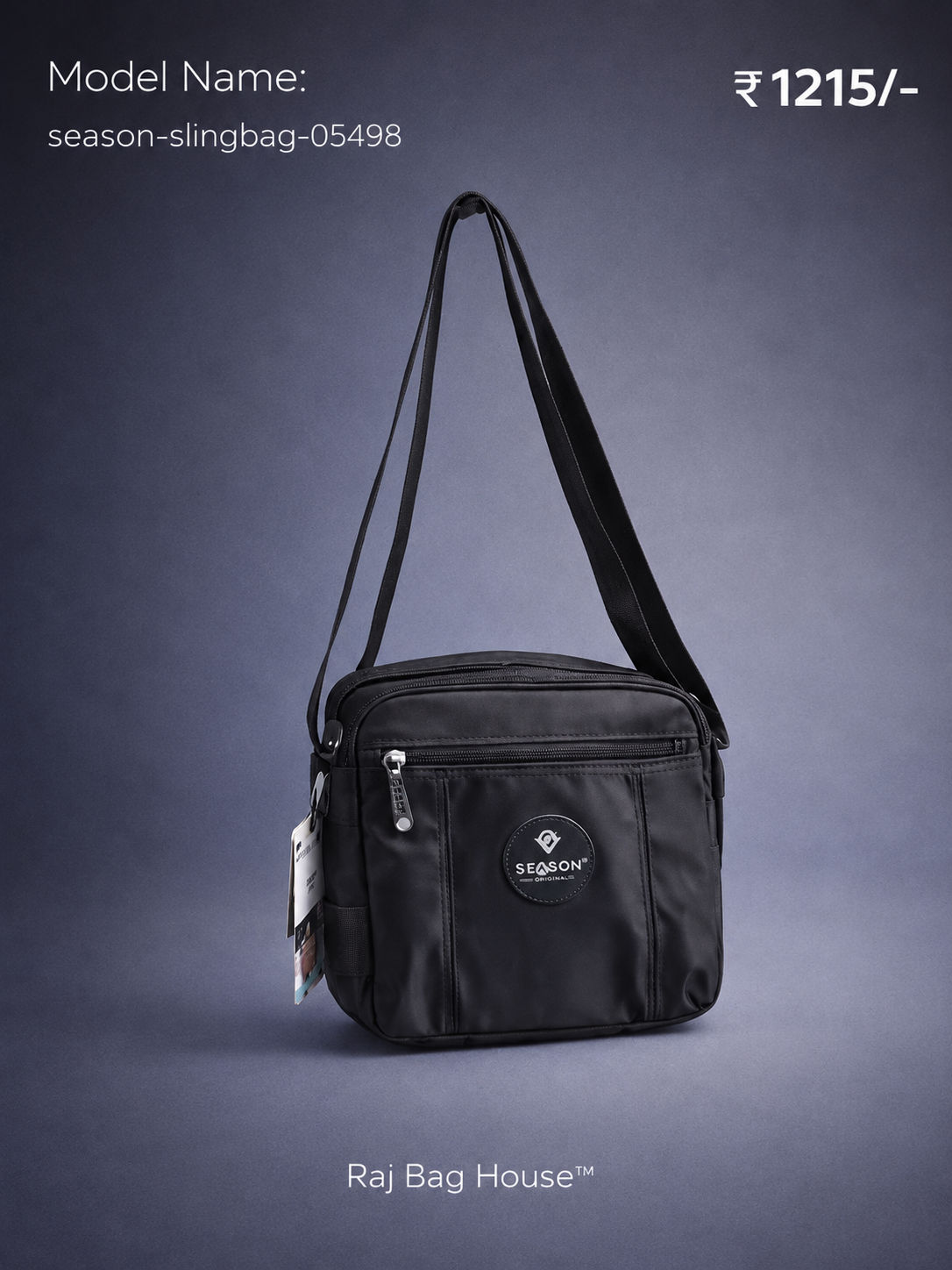
Season Sling Bag 05498 – Black
Season
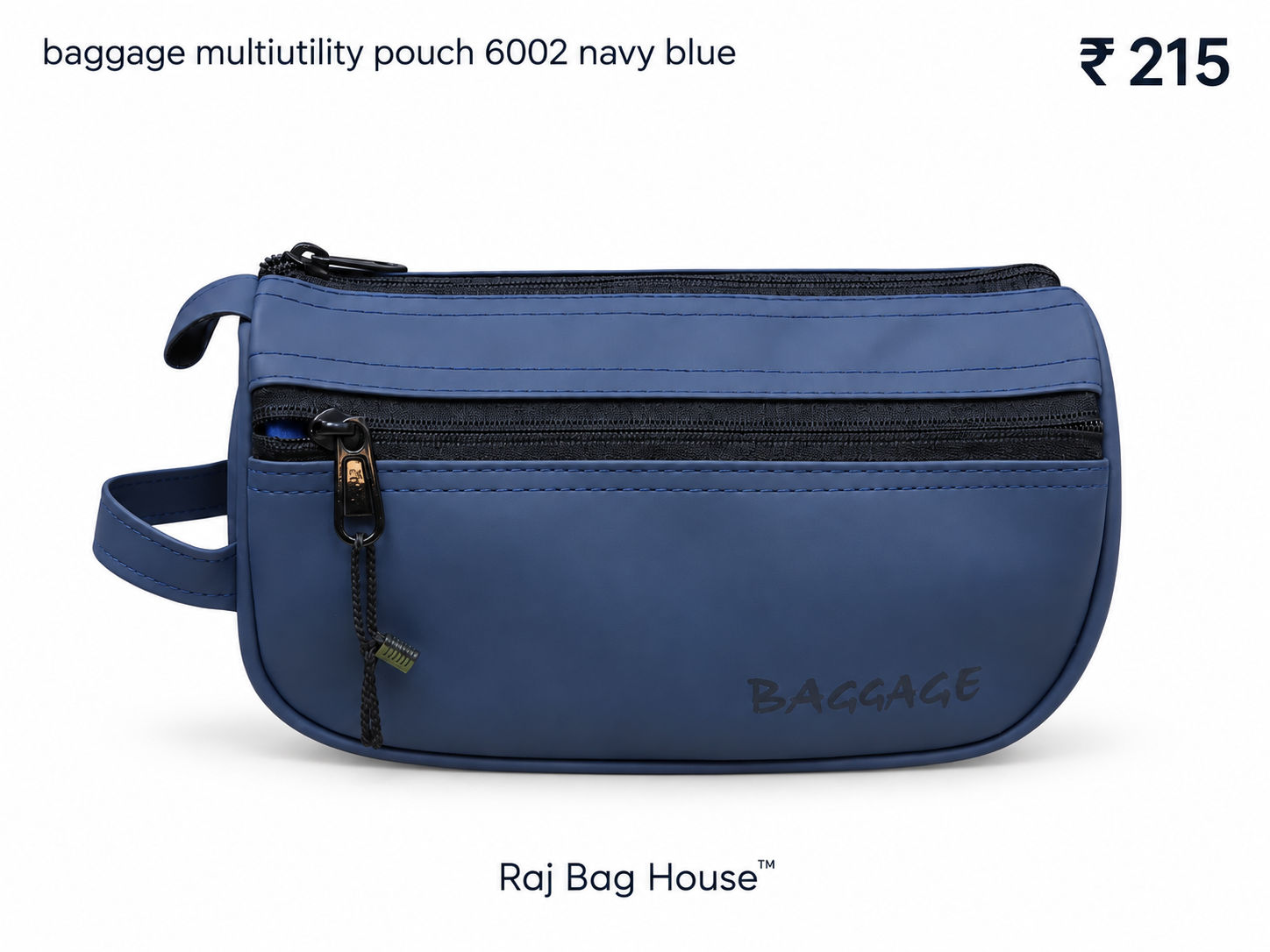
Baggage Multiutility Pouch 6002 – Navy Blue
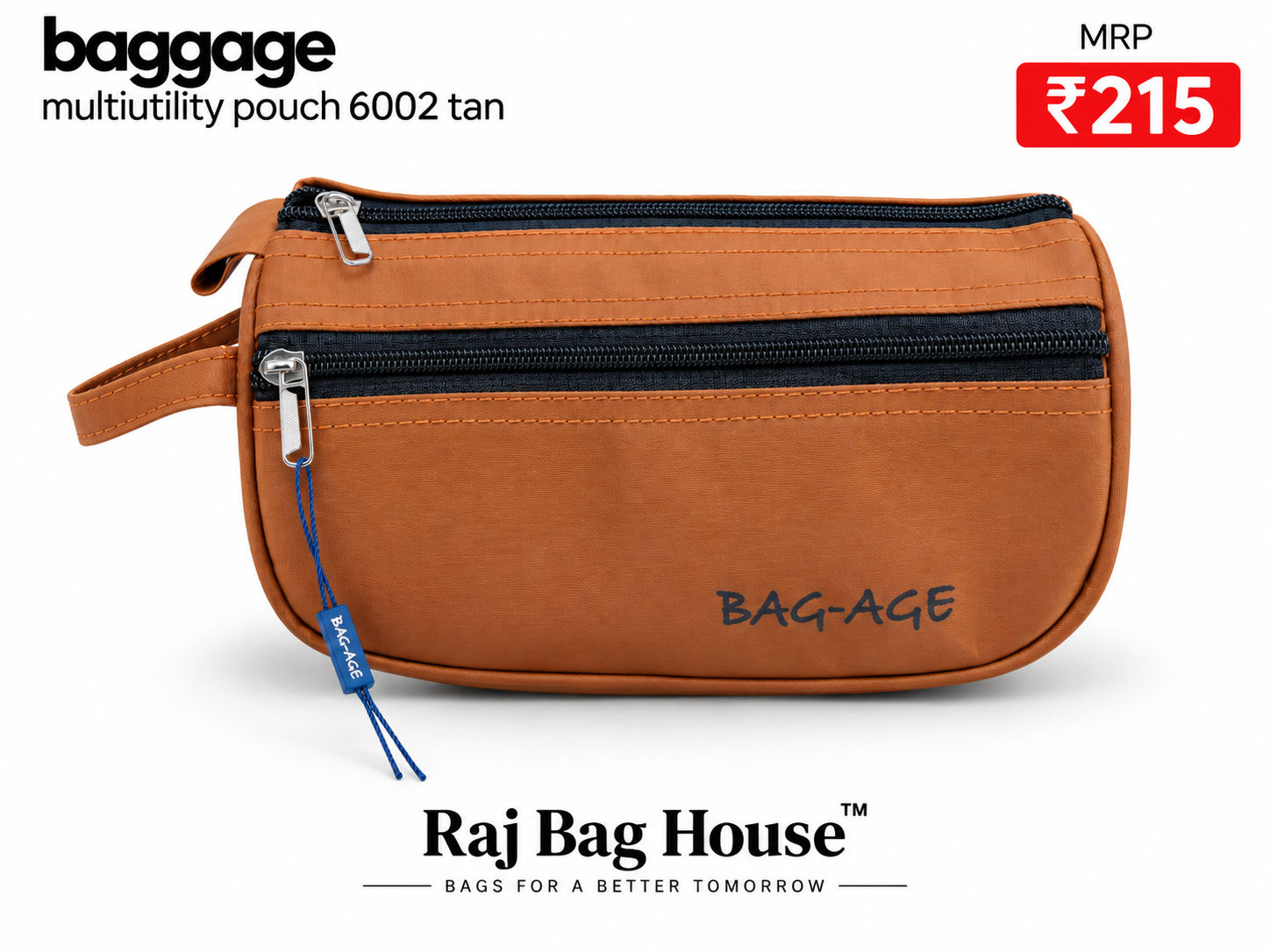
Baggage Multiutility Pouch 6002 – Tan
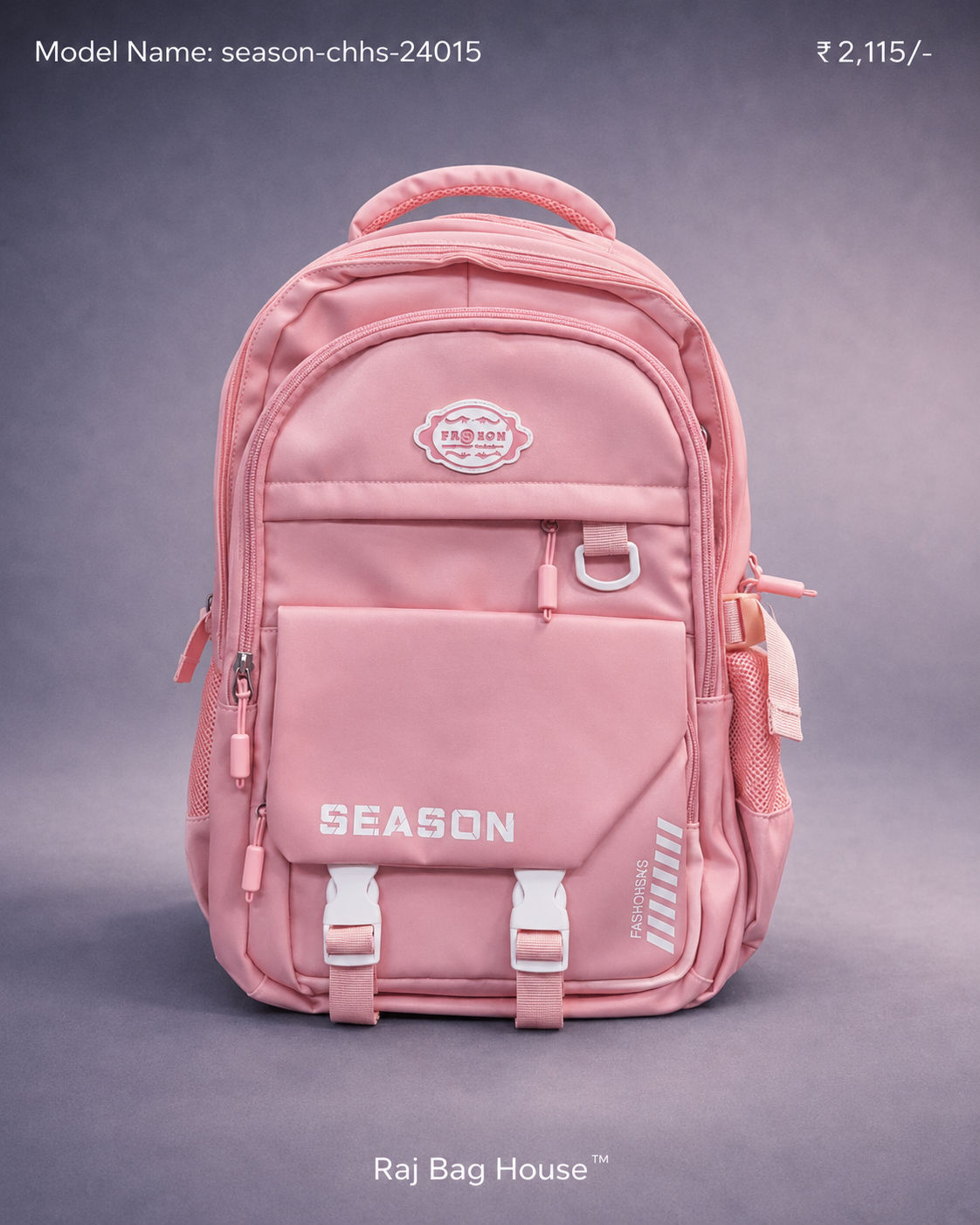
Season Backpack 24015 – Pink
Season
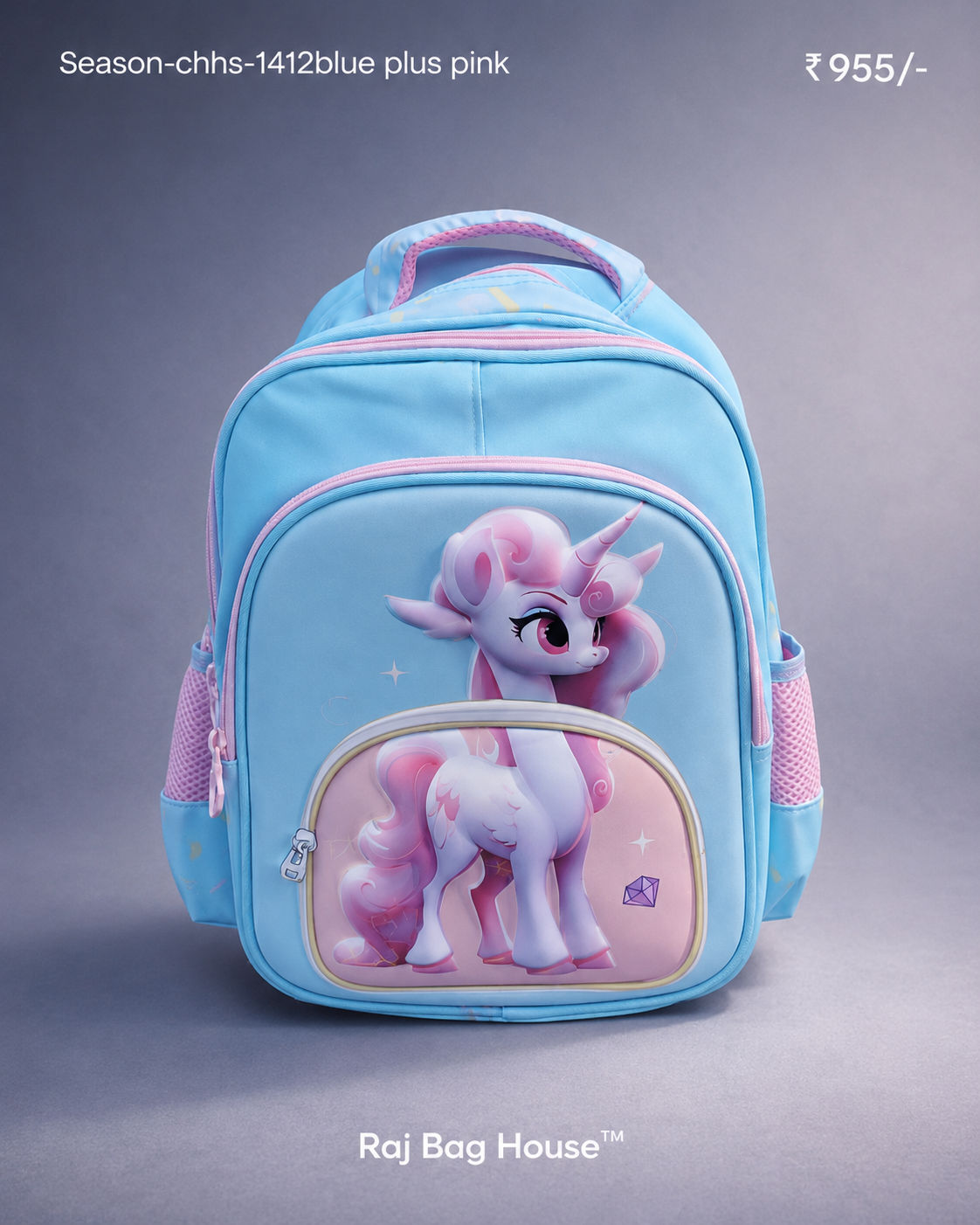
Season Unicorn School Backpack 1412 – Blue / Pink
Season
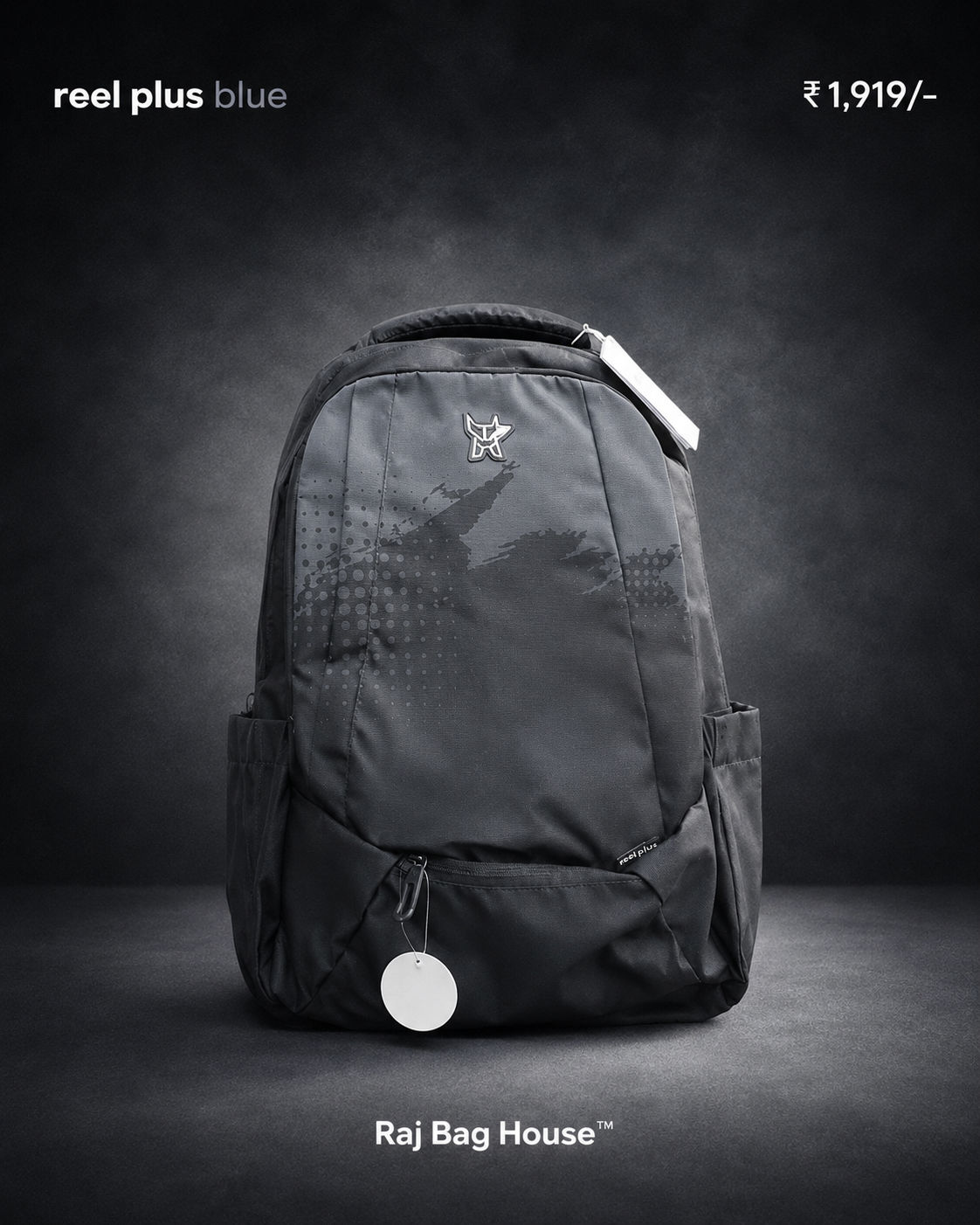
Arctic Fox Mellow Backpack – Black
Arctic Fox
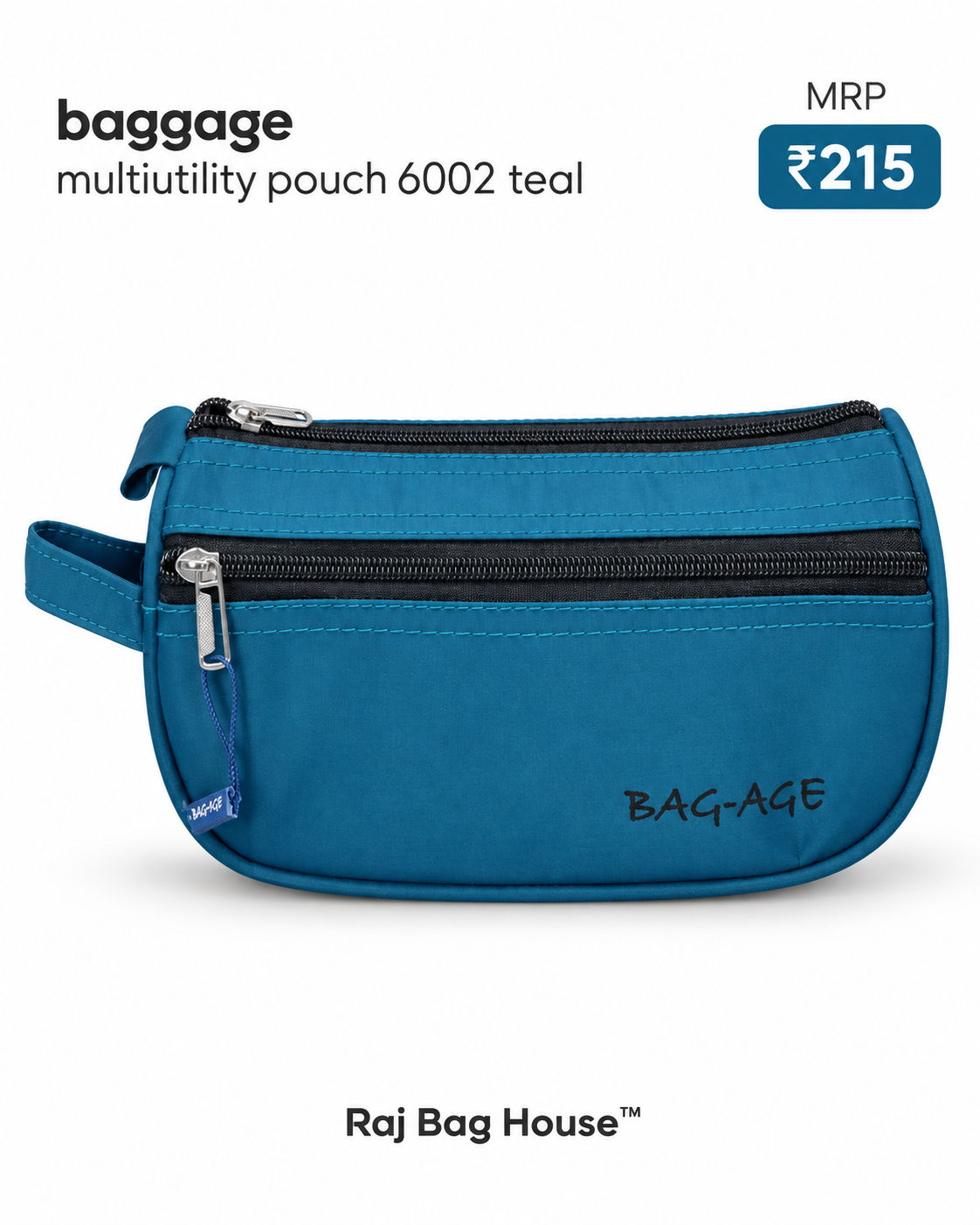
Baggage Multiutility Pouch 6002 – Teal